

It closely mirrors international standards for Liberal Arts where students are offered a wide range of learning experiences through the Electives, Cores, Majors and Minors. The Electives and Cores offer an interdisciplinary base and the Major and Minor provide an in depth understanding of the disciplines. Liberal Arts at SSLA also aims to fulfil a niche gap in the industry by inculcating core transferable skills among its students
| Catalog Course Code | Course Name | Course Description |
|---|---|---|
| T6119 | Reading World Poetry 2 | Reading World Poetry–II is an undergraduate course that introduces students to major poetic traditions across cultures, regions, and historical periods. The course explores mystical Indian poets, voices from East Asia, the Middle East, Europe, Australia, New Zealand, South America, and Britain, alongside long poems and brief histories of poetry. Through close reading, comparative analysis, and interdisciplinary perspectives, students engage with enduring human values, cultural contexts, and poetic forms such as haiku and epic sections. Emphasis is placed on critical thinking, informed appreciation, and understanding the creative process of poetry through interactive discussions and continuous assessment. |
| T1236 | Law Relating to Intellectual Property Rights | Law Relating to Intellectual Property Rights introduces undergraduate students to the foundations, scope, and contemporary relevance of intellectual property in a globalized knowledge economy. The course examines the nature and creation of intellectual property, the rationale for its protection, and the legal frameworks governing copyrights, patents, trademarks, designs, and geographical indications. Students engage with national and international regimes such as TRIPS, GATT, and the Patent Cooperation Treaty, while also exploring emerging areas including software, biotechnology, domain names, and Creative Commons. Through lectures, case analysis, moot courts, opinion writing, and debates, the course develops legal reasoning, critical analysis, and practical understanding of IPR. |
| T1235 | Law Relating to Information Technology | Law Relating to Information Technology introduces undergraduate students to the dynamic relationship between law and rapidly evolving digital technologies. The course examines the foundations of cyber law with a primary focus on the Indian legal framework, while also engaging with key international perspectives. Students study issues related to cybercrime, e-commerce, digital signatures, electronic contracts, jurisdiction, and digital evidence, along with the intersection of cyber law and intellectual property rights. Through lectures, case discussions, moot courts, opinion writing, and critical analysis of legal developments, the course builds an understanding of how law responds to technological change and equips students with analytical and practical skills to address contemporary cyber legal challenges. |
| T2879 | Living with Climate Change | Living with Climate Change is an undergraduate course that examines climate change as a scientific, social, economic, and political challenge. The course introduces the science of climate change, its global and Indian impacts, and the vulnerabilities of diverse ecosystems and communities. It explores climate justice, equity, development debates, and the links between poverty, gender, and environmental change. Students engage with international and national policy frameworks, including the UNFCCC and India’s climate initiatives, and examine action perspectives at global, national, and local levels. Through interactive discussions, case studies, and applied learning, the course encourages critical thinking and practical approaches to sustainable and climate-resilient living. |
| T4392 | Introduction to Wellness Management, Complementary and Alternative Medicine | Introduction to Wellness Management, Complementary and Alternative Medicine is an undergraduate elective that familiarizes students with diverse approaches to health and well-being beyond conventional medicine. The course explores mind-body interactions through practices such as yoga, meditation, and pranayama, alongside dietary awareness, nutrition, and lifestyle-based wellness. Students are introduced to various complementary and alternative therapies including homeopathy, naturopathy, acupuncture, aromatherapy, and energy-based healing methods, while critically examining their benefits, risks, and scientific foundations. Emphasis is placed on understanding stress, disease factors, and preventive care in everyday life. Through interactive discussions and applied learning, the course encourages informed, holistic, and positive health-related decision-making. |
| T6330 | Introduction to Social Justice | This course it is hoped will stimulate critical thinking in the young minds and help them to comprehend their lived experiences and social realities. India is such a heterogeneous society with so many cultures and sub cultures, social and religious differences that it is difficult to understand the dynamics of all these which get reflected in social policies and legislations. This course is conceived and structured to enable the students to identify, comprehend, and de-construct these complexities and understand the internal dynamics of all these differences. Critical thinking may also motivate them to address issues of injustice that they experience and see around them in their own innovative ways, influence policy and law making and strengthen the processes to bring about greater social justice in our society. |
| T6224 | Urdu Paper 1 | This course has been created for beginners and is intended to enable basic communication using the four skills: reading, writing, listening and speaking. Students learn to read and write Urdu alphabets, words and sentences and build up a basic vocabulary. |
| T6269 | Greek Philosophy | This course is aimed at students with little or no background in Philosophy. Through the ancient Greeks, students will learn about how Philosophy took birth what its lasting influence has been on civilization, all across the globe. Pioneers of philosophical thinking will be explored through their own writings. A historical approach will be taken through most of the course, starting with the early Greek philosopher, moving to Socrates, Plato & Aristotle. The lasting influence of these systems of thought will be discussed and examined in class. |
| T6349 | Analysis of Current Events | Current Events is a one-semester course /workshop, structured to give the student an understanding of current issues in areas as wide as sports, politics, culture, history, science, economics, finance etc. In this course a cultural or sporting event could be analyzed along with political, financial and other issues. We will make an attempt to look beyond the obvious and develop critical understanding. The course emphasizes research done by the student covering topics that hold meaning in today’s life. |
| T6267 | Women Philosophers | The mind of a woman, her experience of her own embodiment, her voice as heard in her time and questions that remain unanswered are what this course aims to present. It is not a feminist denouncement of the patriarchal male, nor is it a battle of the sexes. It is a journey—a journey into the female experience, a search for identity and desire for self-expression. The course is entitled Women Philosophers because it also explores ideas put forth by philosophers who happen to be women. It looks at moral prejudices, the sovereignty of good and an ethics of care (that changes the moral question from "what is just?" to "how to respond?"). It brings to the fore ideas, thoughts and dreams on freedom, individuality and cultural politics. In dialogue with minds that intrigue and challenge us, we find our own truths, our own identity and our own voice. |
| T1043 | Law of Torts | 'Law of Torts' sets out the law of private rights and remedies which are not covered by statutes. Students need to be well acquainted with this branch of law governing actions for damages for injuries to certain kinds of rights, like the right to personal security, property and reputation. This branch of common law has large potential to expand and apply its principles in contemporary areas like Human Rights, Environmental Rights, and Intellectual Property Rights. Hence, a student of Law needs to have good knowledge about Law of Torts. |
| THM6108 | Creative Dance as a Narrative: Uday Shankar's Form | Creative Dance as a Narrative: Uday Shankar’s Form introduces students to the evolution of Indian dance through the innovative vision of Uday Shankar. The course examines classical and folk dance traditions of India while highlighting how Shankar broke conventional boundaries to create a modern, narrative-driven dance form. Students explore the theoretical foundations of dance, the Natyashastra, and the social role of performance, alongside practical understanding of Shankar’s choreographic style and movement vocabulary. Through multimedia resources, demonstrations, and critical scholarship, the course situates Uday Shankar’s work as a cultural narrative of modern India, fostering analytical thinking, creative expression, and effective written and verbal communication. |
| T6091 | Introduction to Violence, Conflict and Peace Studies | This course is for students who want to understand the world and make a meaningful difference while maintaining balance in their lives. It focuses on recognizing different levels of violence and conflict, from interpersonal and community settings to national and global contexts. Students examine both direct violence and structural violence rooted in institutional inequality. The course emphasizes practical applications of peacebuilding, broadly understood to include conflict resolution, human rights, development, security, social justice, and advocacy. Assessment is based on structured, flexible assignments rather than exams, allowing students to engage deeply with areas of personal interest while developing practical theoretical insights for real-world peacebuilding. |
| T6305 | Marxism | The course on Marxism introduces undergraduate students to Marxism as a socio-economic and political theory and examines its evolution, applications, and critiques. Beginning with the historical context of colonialism, industrial capitalism, and democratic revolutions, the course explores key Marxian concepts such as dialectical and historical materialism, alienation, exploitation, imperialism, the state, revolution, socialism, and communism. It critically engages with major contributions by thinkers including Lenin, Gramsci, Lukács, Mao, and the Frankfurt School, while analyzing Marxism’s influence on twentieth-century political systems. Through interactive discussions, group research, and continuous assessment, students develop analytical skills to evaluate Marxism’s relevance in contemporary global politics. |
| T6671 | Oop's: Objects Out of Place, the Unexplained and the Unexplainable | Throughout one’s life we have read or heard about Histories Mysteries, Legends, Myths and things that just should not be there - the infamous OOP’s or Objects Out of Place. This course is a journey that will take us through the Ages and Around the World as we together search the mass of material generated from scientific, traditional or just plain unusual perspectives. This course is an attempt to understand these enigmatic mysteries. We will look at how ancient people and cultures viewed the stories and events that were interwoven into their lives and identities – the very stories that we often today treat as fiction, legend or myth. We will re-evaluate a small sample of these stories and events to see if we can bring a fresh and modern perspective that will replace explanations often crafted during the Colonial Age of Discovery with its inherent Western and 17th - 18th Century Perspective. During this journey we will also look at how science and society view these topics and the reasons why they do so. We will look at theories developed to ‘explain’ or ‘solve’ them to see whether they follow established scientific research methodologies to try and determine how much value to place on them based on the corpus of available material. |
| THM6106 | Mahabharata | The Mahabharata course introduces students to one of India’s most influential epics through a multidisciplinary and comparative framework. Students engage with the narrative across the eighteen parvas while situating the epic within ancient Indian history and culture. The course examines the Mahabharata through perspectives from politics, ethics, psychology, anthropology, archaeology, and philosophy, and compares it with other Indian and Western epics. Emphasis is placed on concepts such as dharma, adharma, just war, leadership, and moral dilemmas. Through interactive discussions, multimedia resources, and expert insights, students explore the epic’s continuing relevance in contemporary life while developing critical thinking, communication skills, and academic integrity. |
| T6120 | The Novel | The novel is a mighty melting pot and as a genre resists exact definition. It may be said to be a prose fiction of a reasonable length, though there are novels in verse. Typically written in a narrative style and presented as a bound book, Novels tell stories. The novel has been a part of human culture for a few hundred years, although its origins are somewhat debated. Regardless of how it began, the novel has risen to prominence and remained one of the most popular and treasured examples of human culture and writing. Its form and presentation tends to change with the times, but it remains an essential part of the literary cultures of nearly all societies around the world. Through the novels taught in this module, students may have the opportunity to investigate human consciousness, go on adventures recounted, or follow historical, sociological, and psychological tales that portray human thought, culture, tradition, philosophy, perception and much more, through the ages |
| T6092 | Comparative Mythology | Comparative Mythology introduces students to myths from diverse cultures through an interdisciplinary and analytical framework. The course examines symbols, narratives, and archetypal patterns across world mythologies, drawing on approaches from symbolic anthropology, depth psychology, comparative religion, and myth criticism. Students study creation myths, journey myths, rituals, and archetypes through thinkers such as Jung, Eliade, Campbell, Zimmer, and Coomaraswamy. Emphasis is placed on interpreting verbal and visual motifs and understanding myth as a fundamental mode of human expression. Through interactive discussions and cross-cultural comparisons, the course encourages students to engage critically with myths as living narratives that shape individual identity, cultural imagination, and contemporary worldviews. |
| T1202 | Indian Penal Code | The Indian Penal Code course introduces undergraduate students to the foundations of criminal law in India within its social, economic, and political context. The course examines the concept of crime, elements of criminal liability, and the historical evolution of the IPC, while engaging with offences against the human body, property, and group liability. Attention is also given to emerging forms of crime such as terrorism, environmental offences, money laundering, and crimes against vulnerable communities. Through lectures, moot courts, opinion writing, and critical discussions, students develop an analytical understanding of criminal responsibility and the role of law in creating a just, humane, and responsive society. |
| T6331 | Revisiting the City: Urbanization, Urban Aspiration and Urban Reality | Revisiting the City: Urbanization, Urban Aspiration and Urban Reality examines Pune as a dynamic urban space shaped by economic change, cultural practices, and global influences since the 1990s. The course traces the city’s urbanization history while exploring themes of aspiration, consumption, commodification, and spatial segregation. Students analyze urban inequalities related to class, caste, gender, migration, and displacement, alongside processes of exclusion and gated development. Using sociological theory, visual media, and field research, the course connects local urban experiences to broader global city frameworks. Through critical discussions and empirical engagement, students develop an informed understanding of urban culture, identity, and the lived realities of contemporary city life. |
| T6214 | 20th Century - Bloodiest Century in Human History | The very first decade of the 21st century has witnessed the world’s sole remaining super power engaging in costly and seemingly endless wars. The wars began with the 9/11 attacks on the world trade center towers in New York. From the American perspective the attacks were a geopolitical disaster as they destroyed the American self-perception of insularity and impregnability. The wars of the 21st century however cannot be studied in isolation. This course seeks to comprehend the evolving relationship between the wars of the 21st and the wars of the 20th century. |
| T6121 | Haiku Poetry | This course introduces students to the traditional Japanese poetic forms of haiku, haibun, and tanka, emphasizing both their historical depth and aesthetic discipline. Students engage with the intricacy and restraint characteristic of Japanese art forms, learning to capture singular moments through concrete imagery, juxtaposition, and seasonal awareness. The course explores haiku as an objective, minimalist poetic form, haibun as a synthesis of prose and verse, and tanka as a lyrical yet image-driven expression of emotion. Through guided practice, critical reading, and creative experimentation, students develop sensitivity to language, form, and nuance while cultivating patience, precision, and poetic insight. |
| T6254 | Introduction to Theatre Making | The introductory course will help students appreciate and understand the art of theatre making. The course will introduce students to various tools and fundamental principles of theatre making process, through which they will gain a deeper understanding of, the role of performer as creator, the construction and the creation process. |
| T6209 | Roots of India: Ancient Indian History and Culture (Pre-history to 1200 AD) | The history of ancient India offers the learner immense opportunities to comprehend the genesis and growth of a remarkable civilization that has been interacting with the world, is influenced by the same and yet is uniquely Indian. It also delves into the impact ancient India had on the world in terms of its dazzling achievements in the realm of matter and mind. Though separated by centuries from contemporary times, ancient India tantalizingly interacts and influences the contemporary in myriad ways. The present course is an attempt at making sense of the same. |
| T6210 | India and Growth of Islam in Medieval Era (1200 AD - 1700 AD) | The Mughal prince Dara Shikoh in the 17th century wrote a text for perusal of his family that was titled as "Majma ul Baharein" (the meeting of two oceans) which talks about the similarities between Islam and Hinduism. Between 1200 A.D. and 1700 A.D., India was ruled by various Kings and Queens whose religious beliefs were formed outside India. However, in terms of governance of their territories there was a lot of similarity with the earlier Indian rulers. This paper seeks to understand the relationships between state and society in medieval times. |
| T6368 | Verify Food is Life: The Story of India through its Food | Food is far more than a biological necessity; it is deeply connected to culture, identity, politics, religion, economy, and everyday social life. This course explores the many dimensions of food in the Indian context, examining how eating practices reflect larger historical, social, and political processes. From questions of hunger, poverty, and malnutrition to debates surrounding caste, religion, regional identity, and nationalism, the course investigates the complex meanings attached to food in India. The course also traces the historical evolution of Indian food traditions, including the influence of trade, colonialism, migration, and cultural exchange on ingredients and cooking practices. Topics such as the Green Revolution, food security, institutional food systems like langars and lunchbox networks, and the rise of food media will help students understand the relationship between food and society. Special attention is given to controversies around meat consumption, the sociology of caste and purity, gendered roles in cooking, and indigenous food traditions. By combining historical, anthropological, and sociological perspectives, this course encourages students to critically analyse food not merely as sustenance, but as a powerful lens through which to understand Indian society, culture, inequality, and change. |
| T6361 | Modern Drama from Around the World | Modern Drama from Around the World introduces students to influential theatrical works and movements, offering insight into how language, stagecraft, dialogue, and character convey a playwright's vision. The course explores diverse genres, including the Theatre of the Absurd, Brechtian epic theatre, and mirror theatre, through seminal plays by Samuel Beckett, Bertolt Brecht, Tennessee Williams, Maxim Gorky, Luigi Pirandello, and Federico García Lorca. Students examine historical and cultural contexts, engage in critical analysis, and discuss thematic and stylistic innovations. Through lectures, discussions, presentations, and audio-visual materials, the course develops appreciation for modern drama while enhancing analytical, interpretive, and communication skills in reading, discussing, and performing theatre. |
| T6350 | Soundscapes of Pune City | Soundscapes of Pune City introduces students to the study of sound in cultural and urban contexts, emphasizing the intersection of place, society, and auditory experience. The course covers theoretical frameworks in sound studies, ethnomusicology, and anthropology while training students in fieldwork methods, including observation, interviewing, recording, transcription, and ethnographic writing. Students apply these techniques to construct a mini-ethnography of a local soundscape, exploring the social, cultural, and historical dimensions of urban sound. Through seminar-style discussions, experiential activities, and both physical and virtual collaboration, students develop analytical, observational, and interpretive skills, gaining hands-on experience in documenting, analyzing, and ethically representing sound in an urban environment. |
| T6358 | Culture in Making | In this course we will explore intersections between Culture and Power and develop interdisciplinary approaches to analyse them in the post-colonial India. We will focus on cultural practices ranging from cinema and literature to paintings, drama and sculptures to engage with “cultural politics” in post independence India. At a more specific level, we will think of culture as: 1) a whole way of life, and 2) a site of struggle over meaning, representation and identities. We will view cultural practices through the prism of ideas of nation, class, gender and sexuality, caste, communalism and secularism, and globalization in a society like ours. The course will introduce students to the history of Cultural Studies, a range of cultural practices and movements in the post-independence India and their historical socio-political determinants, approaches and concepts in structuralist, post-structuralist, Marxist, Post-Colonial, Feminist theories of culture. |
| T6404 | Dance/Movement Therapy | Dance/Movement Therapy is an approach to healing that has become an increasingly useful way of working with people of all ages who cannot express themselves verbally, have problems that are manifested somatically (e.g., eating disorders), have been abused, struggle with emotions, have difficulty coping with relationships, find themselves in creative blocks., or are trapped in situations that seem unspeakable. Modern approaches to dance/movement therapy began in the United States and are now being used through out the world. People have begun to understand that expressive dance —the creative use of both natural and formal elements of dance—is (1) inherently healing and that (2) neuroscience can explain what dance/movement therapists have known for decades. With India being such an important player on the international stage, it is essential that students learn how dance/movement therapy and the growing science of the brain can have a positive affect on mental health in India. |
| THM6101 | The Poetic Body, Absurd and the Surreal | The Poetic Body, Absurd and the Surreal explores Modernist, Surrealist, and Absurdist artistic interventions to deepen students’ awareness of existence and creative expression. The course examines Surrealism in art, literature, and cinema, studying key texts and works by Salvador Dalí, Luis Buñuel, and Andre Breton, alongside Absurdist philosophy and theatre by Albert Camus and Samuel Beckett. Students analyze the body as a poetic and expressive site through literature, poetry, and performance, connecting history, philosophy, fine arts, and cinema. Through interactive discussions, multimedia modules, and analytical exercises, students develop critical thinking, creative intuition, and the ability to interpret the self and the world through modern artistic expression. |
| T6406 | Art, Philosophy and Society | The course Art, Philosophy and Society introduces students to key theoretical concepts of art, including beauty, sublime, form, content, and bhāva-rasa, while examining art’s relationship with society. It explores Western and Eastern theories of art, such as expression, communication, imitation, and significant form, alongside cultural perspectives. Students develop critical tools to analyze and question artworks, their processes, and social influence, fostering an aesthetic attitude and understanding of art’s relevance. Through interactive discussions, multimedia resources, and applied analysis of selected works, the course equips students to appreciate art in a social context, consider historical notions of morality, and reflect on the role of artists in shaping culture. |
| T6407 | Scientific Inquiry and Learning Science | Learning science is often equated with the familiarity of technical terms and laws combined with the ability to manipulate formulae and equations (e.g. f = ma) or having ‘information’ about various disciplines of sciences e.g. physics, chemistry, biology. Furthermore, epistemic fragmentation that isolates one subject from the other, starts from school education and continues unless exclusive efforts are made to comprehend inter-connectedness or unified nature of science. Inquiry means investigation, the process of finding out something through one’s own thinking, reasoning and/or observation. ‘Scientific inquiry’ refers to the mode of investigation that is characteristic of science. In this course, the focus will be on understanding scientific concepts and propositions and integrating ideas across disciplinary boundaries. The pursuit of inquiry offers us a learning process through observing, thinking, and reasoning like scientists and developing agile minds that will know ‘How to learn’. |
| T6408 | Buddhist Philosophy: The Indian Tradition | This course will introduce students of any academic background the fundamentals of Buddhist thought and philosophy. Given the sheer breadth of Buddhist philosophy, this course will cover only the Indian traditions. The syllabus will thus include the origins of Buddhism and then move to Mahayana Buddhism, and Vajrayana (tantric) Buddhism. The philosophical context in which the Buddha taught will be introduced to the students, after which they will study basic philosophical and soteriological concerns as seen in the writings of Indian Buddhism. The course is a basic introduction to the subject and does not presuppose any prior subject knowledge on the part of the student. |
| T6264 | Phenomenology and Existentialism | This course is meant to introduce students to the foundational texts and thinkers of phenomenology and existentialism. This school of thought is being presented as one of the three main branches of contemporary philosophy, along with analytic philosophy and pragmatism. Students will read works by Husserl, Heidegger & Sartre among others. They will also be introduced to contemporary debates within phenomenology and existentialism. |
| T6410 | Introduction to Social Sculpture and the Field of Freedom | This course on Social Sculpture explores Joseph Beuys’ concept of ‘Soziale Plastik’, emphasizing an expanded understanding of art where every individual is a creative participant shaping society. Students engage with the works of Beuys and contemporary practitioner Shelley Sacks to explore fields of interaction linking inner and outer, individual and community. Through experiential, embodied practices, the course fosters a connective aesthetics that encourages imagination, reflection, and ethical engagement. Moving beyond linear problem-solving, students learn to perceive social, political, and environmental systems as dynamic forms of creative expression, developing capacities to contribute meaningfully to society while cultivating awareness, ecological responsibility, and philosophical creativity. |
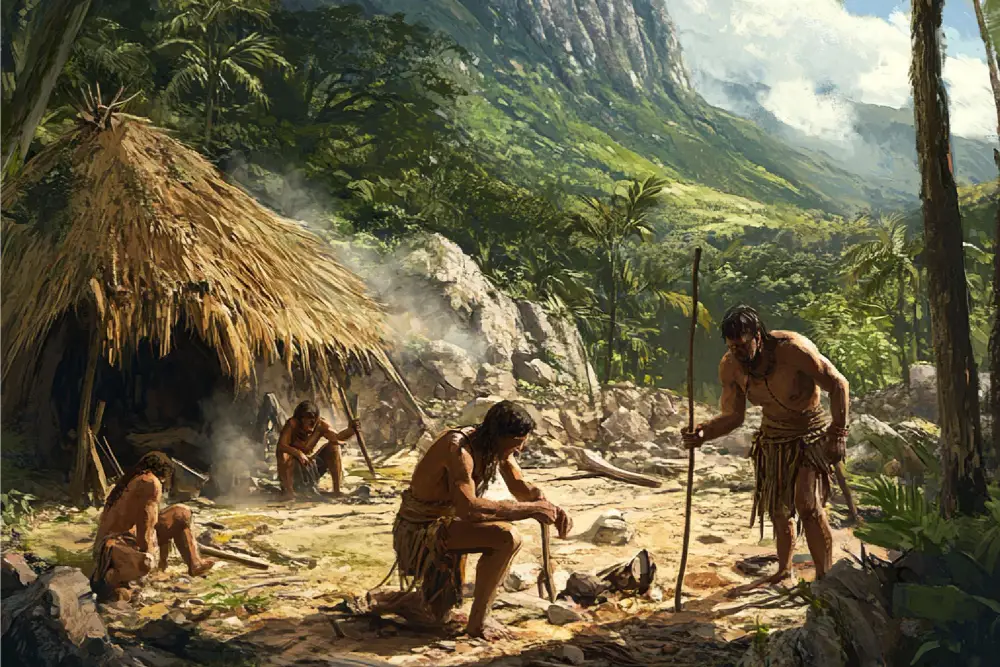
| T6411 | Evolutionary Psychology | Evolutionary theory provides a powerful framework for understanding the incredible biological diversity we observe in nature. Over the past three decades or so, a growing number of researchers have begun to appreciate that the evolutionary forces that acted on our ancestors have sculpted the human brain, and the psychological and behavioural phenomena it produces. This course provides an introduction to the field of Evolutionary Psychology. Specifically, it covers fundamental aspects of evolutionary theory and its application to understanding human psychology and behaviour through a variety of methods, including experimental, survey, cross-cultural, and comparative research. This course will also cover topics that have been central to the field of Evolutionary Psychology such as mating, parenting, altruism, and cooperation. In addition, a number of topics will be explored to illustrate unique areas of research that have emerged from the field of Evolutionary Psychology. The impact of Evolutionary Psychology on certain traditional areas of Psychology, including the study of development, cognition, mental illness, personality, and culture, will also be considered. The overall aim of this course is to demonstrate the scientific approaches that can be used to discover how evolutionary processes influence human psychology and behaviour. |
| T6371 | Cinema, Masculinity and Culture | If cinema has been the dominant cultural expression of the last century, masculinity is often the prism through which cinematic narratives unravel them selves. On one hand, the masculine desires shape the figure of the individual hero or the idealized male spectator through the cinematic aesthetic, the cinematic image has also shaped the forms of masculinity in society. This course explores various manifestations of masculinity as seen in popular Hollywood and Indian cinema. It will offer students a fresh look at questions that have perturbed film scholars and social theorists including ‘his’torians. Students will read through theoretical texts about patriarchy, feminism and queer theory in relation to cinema. |
| T3317 | Programming Concepts and C Language |
C is one of the most widely used programming languages of
all time. It was designed to be used on computers of the
early 70's, but is still taken as reference before any other
language has to be learnt. Nearly all languages invented
today have borrowed their basic features directly or
indirectly from C.
'C' is still used in appliances, applications, mobile apps. Thus the benefits of knowing this language can go a long way for a person who wants to be part of the IT world today. |
| T6373 | The Literature of Fantasy and Science Fiction | The course will focus on science fiction and fantasy as genres. It will look at the literature content as creating an understanding of society. It will survey the history of the genre and then delve into representative themes, rhetoric, and methods of storytelling in texts, films and other media. In addition, the composition of science fiction and fantasy from a writer’s standpoint and an individual student will be examined. Science fiction and fantasy as a genre seeks to examine the possibilities of existence and society beyond what seems too real and often creates a world that allows for speculation of all the future context. |
| T6374 | Imagery in Creative Writing | Imagery in Creative Writing introduces students to the subtle art of evoking images through multiple artistic forms. The course emphasizes observation, sensory awareness, and creative expression, drawing from poetry, haiku, tanka, painting, Indian classical dance, and nature walks. Students learn to distinguish concrete imagery, experiment with storytelling, and critically review their work through interactive workshops. Pedagogy combines experiential learning, field-based exercises, and guided writing sessions, culminating in staged performances of original work. Assessments consider practical engagement, originality in imagery, and performance. This course cultivates imagination, a deep appreciation of the arts, and an ability to communicate experiences creatively and meaningfully. |
| T2713 | Innovation Management and New Product Development | Active management of innovation and the development of New Products / services play a pivotal role in the success or failure of organizations. A new product launch is one of the most thrilling as well as risky tasks a company can take on. With the global environment undergoing rapid transformations, innovation and new product development can be a crucial factor for the long-term success of the firm. From creation of “new-to-the-world” products to re-positioning existing products, the product launches cut across the functional boundaries of the firm. |
| T4403 | Health and Wellness Management | Health and Wellness Management is an advanced course building on foundational wellness knowledge, guiding students to critically assess and improve their lifestyles. The course emphasizes understanding the nutritional, physiological, and psychosocial factors that influence health across different age groups and conditions. Students explore wellness planning for healthy individuals and those with specific disorders, including metabolic, musculoskeletal, circulatory, and lifestyle-related conditions. Pedagogy combines discussion-based lectures, critical reading, multimedia resources, and debates, encouraging practical application of concepts. Assessments follow SIU guidelines, evaluating comprehension and application. By the end, students are equipped to design personalized, evidence-informed wellness strategies for diverse populations. |
| T6444 | Adaptation: Cinema and Literature | This course explores the dynamic relationship between literature and cinema, examining how written texts are transformed into audio-visual narratives. Students investigate adaptations of works by Shakespeare, Jane Austen, fairy tales, Harry Potter, and The Godfather, analyzing changes in narrative, form, and cultural context. The course emphasizes intertextuality, encouraging students to move beyond traditional literary study to understand cinema as a complementary aesthetic experience. Through close readings of novels, poems, plays, and films, students develop analytical skills to interpret artistic forms, explore how stories traverse time and space, and cultivate informed perspectives on the interplay of literature and cinematic expression. |
| T6442 | Foundational Course in Economics | The Foundational Course in Economics introduces students to the principles, theories, and philosophical underpinnings of economics. Beyond learning models and laws, students explore the assumptions and axioms that shape economic thought, understanding the distinction between hypothetical constructs and real-world applicability. The course examines contrasting schools of thought, highlighting strengths and limitations of each approach, and emphasizes critical thinking and structured reasoning. By connecting economic ideas to broader cultural, artistic, and scientific contexts, students develop the ability to synthesize arguments independently, question conventional wisdom, and engage with economic theories not merely as abstract rules, but as frameworks for interpreting everyday social and economic phenomena. |
| T6443 | Mathematical Methods for Economics | Mathematical Methods for Economics equips students with essential mathematical tools to analyze and solve economic problems. The course covers functions, graphs, financial mathematics, calculus, partial and constrained optimization, and econometric techniques, emphasizing real-world applications. Students learn to interpret data, derive economic relationships, and apply models to policy and financial decision-making. Through problem-solving, reverse engineering, and continuous assessment, the course develops analytical rigor and critical thinking. By linking mathematical methods with economic reasoning, students gain the ability to approach complex and abstract concepts, contrast multiple solutions, and make informed inferences, preparing them for practical and theoretical challenges in economics and related disciplines. |
| T6446 | Other Asian Imaginations: Cinema from Japan and China after the Second World War |
The module is an introductory class to post World War cinema
in Japan and China. The post-war landscape in Japan and
China were highly charged ones. The nuclear attack and
subsequent foreign occupation had devastated the national
spirit in one and a civil war had divided the other. The
cinema and other arts produced in the two countries were
often severe reflections and responses to these political
and social changes. The films that will be screened in the
module provide a point of entry into the cultural churnings
that were occurring in China and Japan at the time.
While in the case of Japanese films, we see tireless attempts to subvert existing social order through radical experimentation with cinematic form and frequent engagement with the literature and music of the time, Chinese cinema and art has always had to create innovative ways of working under consistent governmental censure. In the class, we shall look closely at cinematic works that challenge traditional conventions of narrative and style. Besides addressing questions of image aesthetics by engaging with the films themselves, the module will also attempt to situate the films in larger cultural contexts of sub-cultures, protests and state propaganda. |
| T6445 | Understanding Hindi Cinema Since Independence | This course critically examines Hindi cinema as a central cultural force in post-colonial India, tracing its evolution from independence to contemporary Bollywood. Students explore how cinema has shaped notions of national identity, language, and culture, while engaging with the political and social debates surrounding the medium. The course introduces key films, industry practices, aesthetics, and cinematic techniques, providing students with the vocabulary and conceptual tools to analyze films critically. Emphasizing an interdisciplinary approach, it integrates perspectives from history, sociology, and cultural studies, enabling students to understand cinema not only as entertainment but as a powerful site of cultural expression and negotiation. |
| T6421 | Introduction to the 20th Century Theory: I | In Literary and Cultural Studies, theory provides a framework to understand human practices and cultural phenomena. This course introduces students to key theoretical approaches that shaped 20th-century thought, offering tools to analyze literature, art, and society. Students explore Modernism, Formalism, Psychoanalysis (Freud), Critical Theory (Frankfurt School), early Marxism, Feminism, and Existentialism, gaining insight into critical debates that continue to influence contemporary scholarship. Through these perspectives, the course develops students’ ability to engage with complex ideas, think critically, and appreciate how theory shapes our understanding of culture, human behavior, and the social world, bridging abstract concepts with practical analysis. |
| T6433 | Introduction to Linguistics | Language is central to human activity and life and Linguistics is a study of language and communication as it focuses on structure, use and psychology of language. The course will introduce students to basic concepts in Linguistics such as Morphology, Phonology and Phonetics, Syntax, Semantics etc. The course will also look at the socio-cultural and psychological aspects of language in terms of its acquisition and use. In the last century, Linguistics formed the basis for development of a variety of theories in the disciplines such as Psychology, Sociology, Anthropology, Cultural Studies and English Literary Studies. It has been at the basis of theories ranging from structuralism/post structuralism to post-modernism and post-colonialism. The course will equip students with a conceptual map of and vocabulary for advanced and nuanced theoretical arguments from various disciplines. |
| T6432 | Critical Writing: Writing as Resistance, Writing as Recovery | Writing is a core component of a liberal arts education, enabling students to engage critically with complex ideas and express themselves clearly. This course trains students to write systematically and coherently across diverse topics and modes, fostering independence of thought, judgment, and expression. Students will critically read texts—written, oral, and visual—by thinkers, scholars, and journalists from varied cultural, philosophical, and ideological contexts. They will write analytically, persuasively, and creatively, using response, comparison, argumentation, and literary commentary. All reading and writing will be framed within interdisciplinary theoretical perspectives on rhetoric, language, ideology, poetics, aesthetics, cultural theory, and media studies. |
| T6449 | Knowledge: Contested, Contextualized, Confirmed | This course examines knowledge as contested, contextualized, and confirmed, exploring how traditional and modern paradigms shape our understanding of the world. Students critically reflect on the historical, cultural, and ethical foundations of knowledge, comparing cumulative, participatory, holistic, and atomistic approaches across disciplines such as science, medicine, economics, and the arts. Through case studies, discussions, and writing assignments, students analyze the consequences of knowledge claims and methods, develop interdisciplinary frameworks, and cultivate self-awareness as knowers. The course encourages evaluation of rival perspectives, ethical reasoning, and the possibility of integrating diverse approaches to foster responsible, sustainable, and nuanced understanding of knowledge in contemporary contexts. |
| T6434 | Literary Imagination in the World | This course explores the power of literature and the arts to illuminate social, political, and ecological issues while fostering ethical reflection and aesthetic sensitivity. Students read diverse texts—including fairy tales, fables, classics, and religious literature—alongside visual and musical adaptations, examining thematic patterns such as heroism, hubris, and transformation. The course emphasizes critical perspectives, including feminist, Marxist, and psychoanalytic approaches, to understand literature’s potential to challenge oppression and inspire alternatives to divisive, power-centric modes of living. Through discussion, analysis, and creative projects, students develop interpretive skills, aesthetic judgment, and an appreciation of literature’s role in connecting cultural particularity to universal human experience. |
| T6453 | From Marxism to Post-Marxism: Critical Discourses | From Marxism to Post-Marxism: Critical Discourses is a course that builds on the introductory course on Marxism. This advanced level course on Marxism intends to make the students familiar with the growth of Marxist methodology, its contribution in the social sciences and the important challenges it faced and still continues to face. The students will engage in discussing important contributions of Marxism, both as a theory and as a discourse, extending till the 20th century in terms of philosophical and critical enquiry. The students will not necessarily be referring to texts written by Marx and later ‘classical’ Marxists. The course will use Marxism as an intellectual tradition and draw concepts, ideas and practices from it and analyze them in the larger socio-political and historical debates and practices. |
| T6420 | An Introduction to Cultural Studies | The course will attempt to introduce students to the new and exciting discipline of Cultural Studies. In this course, we will try to grasp with how cultural spaces, times, products and ideologies are implicated in the power relations of the society. This course will help students from across disciplines such as Sociology, Psychology, Anthropology, History, and English Literature to get acquainted with novel and nuanced theoretical concepts and familiarize themselves with the novel approaches to the study of culture that have developed in the last few years across the world. In this course, we will take a critical stock of how the idea of culture has been framed by scholars from various disciplines. By questioning the traditional formalist approaches to culture, we will expand the scope of culture to deal with concepts such as “Culture Industry and Art”, “Modernity and History”, “the City and Architecture”, “The Popular Culture and the Nation”, “Multiculturalism”, “Culture/Gender/Politics”, and “Globalization and Culture” etc. |
| T6568 | Modern Indian Theatre and Performance: History, Theory, Text and Culture | This course examines modern Indian theatre from its mid-19th-century origins to the present, highlighting its role in shaping popular imagination and modern consciousness. It explores the blending of Western, classical, and Indian folk theatrical forms, emphasizing theatre’s capacity to engage audiences while reflecting socio-political histories. Students study key texts alongside critical writings on colonial and postcolonial India, gender, and identity, analyzing both dramatic works and their performance. By focusing on playwrights, directors, performers, and texts, the course situates theatre within broader cultural, historical, and political contexts, fostering interdisciplinary understanding across literature, performance, history, and cultural studies. |
| T6572 | Re-conceptualizing the Noir Film | This course explores Film Noir, a cinematic genre that emerged in 1940s USA, examining its dark aesthetic, morally ambiguous characters, and tragic narratives. Students study noir’s origins, stylistic features, and thematic concerns, analyzing key films to understand its historical and cultural context. The course traces the evolution of noir into neo-noir, its adaptations in European, Asian, and Indian cinemas, and its influence on contemporary television. By considering both form and content, students investigate whether noir is simply a genre or a global cinematic style, engaging with its enduring appeal, cultural resonance, and the ways it continues to shape narrative and visual storytelling worldwide. |
| T6577 | Labour in India-Past and Present | This course attempts to introduce students to the study of industrial labour in India from its inception to the present period. The objective is to familiarize students with various categories of work and working lives in India and the history of their development. Drawing from labour history, early industrial sociology and current labour anthropology, the course seeks to interrogate India’s development experience from the perspective of labour. Students will be familiarized with complexities associated with understanding and classifying working lives of various kinds for both academic and policy purposes. The course aims at intensive interaction with a wide range of sources, ranging from colonial administrative documents, policy briefs, NSSO classificatory schemes, legal documents, ethnographic writing and trade union documents. The course will provide an overview of the trajectory of labour in India particularly in the current scenario and locate it within the context of the developing world. |
| T6578 | Understanding Urbanity: Classical and Contemporary Approaches | This course attempts to introduce students to classical and contemporary approaches to urban studies and the complications that lie within them. The objective of the course is to trace the deployment of The City in the understanding of modern life in varied historical contexts. In doing this, the course unfolds in four modules- two dedicated to discussing key classical and contemporary theorists on the city and two to gaining familiarity with urban experiences across the world. One of the latter modules focuses on exploring cities in India in their historical and political contexts. Students are expected to engage with and bring to the discussion diverse positions on urban life. The course is also intended as an exercise in exploring methodological and disciplinary diversity in urban studies, as both the texts and the discussion seek to transcend conventional boundaries of disciplines and techniques. |
| T6565 | Religion and Rebellion: Roots of Resistance in the Ground of Tradition | This course examines the potential of religious ideas, practices, and philosophies to inspire critical thought and constructive resistance to oppression. Students explore how various religious traditions—including tribal, ancient, and contemporary—address abuses of power, social exclusion, and ecological harm. The course links socio-political ethics to metaphysical principles, considers both external and internal dimensions of critique, and analyzes texts, practices, and figures that embody transformative potential. Through a comparative framework, students assess religion alongside secular humanist ethics emerging from Enlightenment, modernization, and colonial histories, evaluating how faith can both challenge and reinforce societal norms while fostering ethical, reflective, and socially engaged modes of being. |
| T5633 | Use of Signs and Symbols for Marketing and Branding | Signs & Symbols are part of daily life, giving quick and easy access to information. They make up our communication system, which includes both verbal and non-verbal components. There is considerable evidence that shows that use of signs and symbols enhances spoken language or understanding. Signs and symbols are particularly important in supporting the development of marketing communication program e.g. helping consumers respond, initiate interactions and also provide clues to motivate customers at a subconscious level. Collectively signs & symbols negotiate meaning at a deeper level and create a brand engram to which consumer seem to be connecting. Symbolic communication ties consumer needs, wants, and behaviors to the form of brand communication in advertising. |
| T6569 | Love in Literature: Literary Expressions and Explorations across World Cultures | The course attempts to explore the types and aspects of the human experience of love, with special emphasis on romantic or conjugal love. We shall study literary texts from a range of periods and cultures (ancient Indian, Chinese, Hebrew Arab; “primitive,” “tribal” cultures; medieval and renaissance European; modern Indian and European, etc.) in a variety of genres (fiction, drama, poetry, autobiography) within a framework incorporating relevant cultural and literary concepts. The way in which culture lends particular emotional colouring to the experience of love and literary shape to its expressions will be emphasized. The study will also seek to enhance the specifically aesthetic experience of the literature of love through philosophical, ethical and aesthetic categories derived from the cultural contexts of the texts. Questions concerning universality and particularity will be discussed. |
| T6567 | The Politics of Difference | This course examines the social and literary dynamics of “difference” through selected works of fiction and drama, including To Kill a Mockingbird, Ice-Candy-Man, Kanyadaan, and Do the Needful. It explores how perceptions of religion, caste, gender, class, and sexuality shape societal hierarchies, prejudices, and conflicts. Students analyze narrative techniques, characterization, themes, and socio-historical contexts to understand the formation of biased mindsets and the politics of co-existence. Pedagogy combines close textual reading, film adaptations, critical commentaries, and presentations. The course aims to sensitize students to socialization processes, develop critical thinking, and foster balanced responses to societal differences, emphasizing both ethical and analytical engagement. |
| T6574 | Critical Ideas of the 20th Century | In the field of Literary and Cultural Studies, critical ideas occupy a central place. If “practice” is what defines a human activity, we often need a set of ideas that help us understand such practices. Such a set of ideas can be understood (of course only in a generalized manner) as Theory. The last century saw a phenomenal rise of academic institutions that were defined in terms of their theoretical outlooks. Theory pervaded every imaginable discipline and helped define their contours. This course is a journey through such myriad ways, which shape the ways we understand the world. |
| T6575 | Postmodernism: Literature and Philosophy | What is postmodernism? Can postmodernism be described as a consistent philosophical position? How does the question of postmodernism relate to other significant questions of contemporary intellectual life? Can the human subject master its own destiny? Can meaningful claims to truth still be made? What is the relationship between subjectivity, sexuality, discipline and power? Is there a possibility of ethics in our "postmodern" condition? And finally what are the implications of postmodernism for interaction among different cultures, specifically interaction between Western culture and its others? The aim of this course is to understand the significance and the origins of these questions. We will also investigate the relationship of postmodernism to feminism and postcolonial theory. The initial focus of the course will be to survey the philosophical origins of 20th Century intellectual movements. In this context, we will read the works of some postmodern thinkers Jean-François Lyotard, Jacques Derrida, Michel Foucault, Gilles Deleuze, Félix Guattari and Kafka. We will then investigate the relationship between postmodernism and knowledge particularly in philosophy of science. Finally, we will move to the question of the relationship between postmodernism and feminism and read the works of SeylaBenhabib,Judith Butler, and Sandra Harding. |
| T6573 | Crisis in West Asia | The Middle East today remains one of the most contentious and hotly disputed regions on the planet. The roots of these modern day conflicts go back millennia, to different religions and faith traditions as well as tribal and ethnic identities. This course attempts to explore these early rivalries and trace back the roots of the conflicts to their sources. While doing so, we will explore the origins of the different Abrahamic religions; different tribal customs and modern day Geo political issues that mar this region today. This course also traces the path that the conflict has taken over the centuries and the influences that it has come under. We take an in-depth look at how 20th century imperialism and an unquenchable thirst for resources have led to a state of perpetual conflict that centers on oil and natural gas. We shall study the role of Cold war politics and tyrannical dictatorships and their influences on civilian populations living in the area. Lastly, we shall also study the rise of radical groups, primarily as a result of Proxy wars that were a subset of superpower confrontation and secondly as a result of power vacuums created in the region. |
| T6566 | Colonial Encounters: Literary Representations and Theoretical Reflections | The course proposes to examine ways in which literature, through its characteristic aesthetic formal elements, represents the profoundly human dimensions of the impact of colonialism on cultures, communities and people. Literary texts from various national, cultural contexts (Asia, Africa, the Americas, Australia) and multiple perspectives (colonizer/colonized) and in a variety of genres (novel, short story, essay, poetry, autobiography, speech, etc.) will be studied within a framework of concepts and theories drawn from different cultures (Asian, African, Latin American, etc.), critical traditions (postcolonial, feminist, postmodern, Marxist, Subaltern, Critical Traditional) and disciplines (History, Anthropology, etc.). The texts span various stages from the first phase of colonialism to globalization, contemporary migrations/diasporas. |
| T4686 | Introduction to Human Genetics | This course in Genetics (minor) attempts to address some of the basic and fundamental issues related to field of genetics. It further narrows the focus of genetics to deal with concepts in Human Genetics covering areas from basics like DNA, inheritance and the occurrence of mutations, mechanisms that lead to uniqueness in humans, to understanding the prevalence of genetic disease in humans, that modes of passing through generations and our understanding of how they need to be tackled on the social and psychological front through Genetic Counseling. The course also includes a short understanding of where the subject of genetics is applied in our everyday lives and how it will affect the way we look at our lifestyles in the future. |
| T6570 | World Drama, Text and Performance Traditions in their Cultural Context | The course proposes to give students exposure to the way in which the great (and sometimes “small”) texts of the composite art of drama represent the central themes concerning human life, human destiny, personality and society in a way that enables them to respond to and understand the emotional power of the art of drama. The texts will be drawn from diverse cultural, historical, literary and theatrical contexts, e.g. Japan, Greece, India, Western Europe. They will be studied within a framework of relevant religions (e.g. these concepts would include Greek, Zen Buddhist and African religions - philosophical concepts, aesthetic concepts concerning aesthetic emotion from ancient India and Greece, and modern and avant-garde theories from Europe and contemporary activist theatre. Besides literary texts, video clips, performances and visits to/by practicing theatre artists would be included. |
| T6576 | Sport and Performance Psychology | The field of Sport and Performance Psychology is a relatively new domain in Psychology. Sport psychology is the study of optimizing and enhancing performance not only in the field of sports but can be applied to any competitive and performance oriented industry (such as dance, exercise or organizations). Engagement in recreational and competitive sport is increasing in India. With the growth of professional sport, the sport science industry is also finding its footing and recognition. In this course students will be exposed to various important concepts and tenets of theories in the field of Sport and Performance Psychology. Students will get an overview of the subject and an understanding of Psychology in practice. The course is also outlined to introduce students to Exercise psychology which is broadly focused on physical activity, adherence to exercise, exercise dependence, etc. |
| T3251 | Design Tools-I | This course, Design Tools I, introduces undergraduate students to essential digital design tools for web, print, and photography. Focusing on Adobe Photoshop, it covers image resolution, scanning, color modes, layers, adjustment layers, filters, and retouching techniques. The pedagogy combines lectures, demonstrations, and practical exercises to build hands-on proficiency. Students learn to enhance, transform, and restore images, work with channels and file formats, and automate tasks. Assessment includes class tests and individual assignments, ensuring applied understanding. Recommended readings include Adobe Photoshop manuals and texts on digital photography and image restoration. The course provides a foundational skill set for further study in design and digital media. |
| T3252 | Design Tools-II | Design Tools II is a Level 2 undergraduate course that introduces students to advanced design and page layout techniques using CorelDRAW. Students learn to combine illustrations, text, and graphics effectively, while exploring font selection, colors, and formatting. The curriculum covers working with shapes, vector effects, transparency, 3D effects, artistic media, layers, bitmaps, and multi-page layouts. Practical exercises, demonstrations, and lectures develop hands-on skills in brochure design, file management, and printing/publishing. Assessment includes class tests and individual assignments. Recommended readings include CorelDRAW manuals and color theory guides. The course equips students with foundational skills for professional graphic design and visual communication. |
| T6571 | Postmodernism: Literary and Philosophical Perspectives | This course introduces students to postmodernism, exploring its philosophical origins, significance, and impact on contemporary thought. It addresses key questions about truth, ethics, subjectivity, power, sexuality, and human agency, examining whether postmodernism can be a consistent philosophical position. Students will study the works of foundational thinkers such as Lyotard, Derrida, Foucault, Deleuze, Guattari, and Kafka, and investigate postmodernism’s relationship to knowledge, especially in the philosophy of science. The course also examines intersections with feminism and postcolonial theory, engaging with theorists like Benhabib, Butler, and Harding, to understand postmodernism’s implications for ethics, cultural interaction, and critical inquiry. |
| T6559 | The Psychology of Good and Evil | This undergraduate course, The Psychology of Good and Evil, examines human behavior through the lens of morality, exploring both destructive and altruistic actions. Students study topics such as genocide, terrorism, domestic violence, bullying, altruism, and volunteerism, integrating perspectives from psychology, sociology, philosophy, media, and literature. The course develops skills in critical analysis, empirical evaluation, ethical reasoning, and application of theory to social issues. Through lectures, discussions, case studies, and experiential activities, students learn to distinguish individual and social influences on behavior, critically evaluate events, and propose ways to enhance good and reduce evil, fostering awareness and agency in personal and societal contexts. |
| T6564 | Sustainability for the Post-2015 World | The year 2015 was a watershed year for the concept of sustainability. The world saw culmination of the international efforts under the Millennium Development Goals, and framing of the Sustainable Development Goals. An international agreement on climate change mitigation and adaptation was also achieved after prolonged negotiations that had been going on for more than 5 years. The year also saw an escalation of terrorist activities across the world, leading to an international refugee crisis, which too is and will continue to have impacts on local sustainability across the world. The course is aimed at understanding the implications of these events from the perspective of a sustainable future for humanity. The broad focus of the course will be on global issues of food-water-energy security, green business processes, urbanization, etc. Specific challenges faced in the Indian and local (Pune) context will also be addressed |
| T6557 | Critical Debates in 21st Century Technology | This course examines the rapid expansion of 21st-century technologies and their wide-ranging social consequences. It explores how the internet, social media, citizen journalism, cryptocurrencies, open-source platforms, and artificial intelligence are reshaping politics, economies, governance, and everyday life. Students engage with debates around digital rights, surveillance, data, ethics, and the claim to internet access as a fundamental right, alongside concerns about information leaks and algorithmic power. The course also studies alternative technological spaces, from virtual learning platforms to the Deep Web, encouraging critical reflection on the social, political, legal, economic, and philosophical implications of contemporary technological change. |
| T6558 | Politics of Ecology and Environment in Developing Countries | The ecology and environment of developing countries have been significantly altered through colonization and after independence. Developing countries has had to make negotiations between utilizing natural resources and conserving its environment. In the 21st Century, these negotiations have become more intense as we grapple with reduced resources, natural disasters, urban pollution and global warming. As developing countries gear up for industrial and development projects, they also negotiate with claims of indigenous forest lands, fishing rights, grazing rights etc. This course is aimed at considering the various challenges, policies, laws and approaches of developing countries in negotiating environmental sustenance, and management of ecology and environment. The course will address forests, fisheries, mining, pollution, industrialization, water resources, urban pollution, tribal rights and alternative energy. |
| T6563 | Creative Writing - Media, Advertising, Content, and Screenplay | This course focuses on professional creative writing for media, advertising, digital content, and screenwriting, bridging creative expression with commercial communication. It trains students to write effectively for mass audiences by developing rhetorical awareness, audience analysis, and user-centered content design. Through hands-on practice in advertising copy, public relations, digital media, crisis communication, and screenplay formats, students learn to generate, pitch, draft, and refine ideas for real-world media contexts. The course emphasizes critical analysis of existing media texts, experimentation with form and language, and the ethical, strategic, and technological processes involved in producing impactful media content across platforms in contemporary professional environments. |
| T6555 | Contemporary Fiction Today: A Junior Seminar Course | The field of literature studies has grown tremendously in the past couple of decades and now, the traditional discipline of English Literature taught across various Universities has become more and more interdisciplinary. This seminar course draws its methodology from this interdisciplinary nature of Literature and Comparative Literature Studies and combines it with a deep analytical approach to literary texts. The course will examine original and translated works by major international fiction writers who have achieved both popular success and critical acclaim. The works will be placed against their local contexts as well as the global conditions in which they were produced and in which they thrive. There will be in-depth textual analysis along side with cultural and political understandings of larger issues. |
| T3253 | Design Tools-III | Design Tools III builds advanced competencies in professional page layout and publication design using industry-standard software such as Adobe InDesign and QuarkXPress. The course trains students to integrate text, images, graphics, colour, and typography into coherent layouts for print and interactive media. Through hands-on practice, students learn concepts such as frames, styles, master pages, layers, tables, books, and export workflows, while developing an understanding of design consistency and production standards. Emphasis is placed on practical application through demonstrations and exercises, enabling students to translate design principles into effective, production-ready layouts suitable for professional publishing environments. |
| T3254 | Design Tools-IV | Design Tools IV focuses on developing advanced vector-based design skills through the creation of original artwork suitable for high-quality print and publication. Using Adobe Illustrator, students learn to design and manipulate vector graphics, typography, colour, gradients, brushes, symbols, layers, and effects. The course emphasizes transforming conceptual ideas into professional visual assets that can be seamlessly integrated into documents produced using layout and publishing software. Through lectures, demonstrations, practical exercises, and a final project, students gain hands-on experience in producing scalable, print-ready illustrations, strengthening both their creative expression and technical proficiency for professional design environments. |
| T3255 | Introduction to Web Design | Introduction to Web Design introduces students to the fundamentals of computer-based communication and web design through hands-on engagement with core web technologies. The course familiarizes learners with HTML, basic formatting, images, tables, frames, forms, and cascading style sheets, enabling them to understand the structure and presentation of web pages. Using tools such as Dreamweaver, students progress from learning individual HTML elements to designing complete, functional websites. Through lectures, demonstrations, practical exercises, and a project-based approach, the course builds foundational technical skills and conceptual clarity required for creating simple, effective, and user-oriented web interfaces. |
| T3198 | Introduction to Python | Introduction to Python is an entry-level programming course designed to familiarize students with Python as a simple, powerful, and versatile programming language widely used in web development, scientific computing, and engineering applications. The course introduces core programming concepts such as data types, control structures, functions, modules, and structured data types, along with exposure to key standard libraries. Through lectures and hands-on lab sessions, students learn to solve basic computational problems using a clear, Pythonic approach. The course builds a strong foundation for logic development and prepares students for advanced programming languages and technologies in subsequent semesters. |
| T3326 | Foundation of Web Technologies | Foundation of Web Technologies is an introductory undergraduate course that provides students with a comprehensive grounding in core web technologies. It introduces the structure and working of the Internet, followed by in-depth training in HTML, CSS, and basic scripting languages such as JavaScript and jQuery. The course also familiarizes students with HTML5 features, e-commerce concepts, user experience considerations, and fundamental issues of web security. Through a combination of classroom instruction and hands-on lab sessions, students develop practical skills in creating and styling web pages. The course builds a strong foundation for advanced studies in web and internet technologies. |
| T3201 | Mobile Programming | Mobile Programming is an undergraduate, advanced-level course that introduces students to the fundamentals and contemporary trends of mobile application development, with a primary focus on the Android platform. The course covers the Android ecosystem, architecture, SDK, and application lifecycle, along with user interface components, layouts, event handling, data storage, and permissions. Through a combination of lectures, discussions, self-study, and intensive lab sessions, students gain hands-on experience in designing, developing, testing, and deploying Android applications, including publishing apps on the Google Play Store. The course builds practical skills essential for developing robust, user-centric mobile applications in real-world environments. |
| T7527 | Internet of Things | Internet of Things (IoT) is an advanced undergraduate course that provides a comprehensive understanding of Internet-2 and the Internet of Things paradigm. The course explores enabling technologies such as wireless communication, RFID, sensor networks, low-power systems, and IoT middleware. It examines routing protocols, IPv6, 6LoWPAN, and security and privacy challenges in domains such as smart grids, healthcare, and intelligent transportation systems. Through lectures, case studies, research papers, and student-led discussions, learners gain analytical and research-oriented skills. The course also emphasizes real-time monitoring, performance analysis, and hands-on, project-based learning within practical IoT frameworks. |
| T6601 | The Illbeing - Disease, Health and Socio-politics | The Illbeing – Disease, Health and Socio-politics is an interdisciplinary elective that introduces students to the biological foundations of health and disease while critically examining their social, economic, and political dimensions. Designed for students from humanities and social sciences, the course explains basic anatomy, physiology, and major disease categories in an accessible manner. It compares different systems of healthcare, explores preventive and therapeutic interventions such as vaccines and antibiotics, and highlights issues of inequality, lifestyle, and policy. By linking biological processes with social structures, the course enables students to make informed, critical choices about health, wellbeing, and healthcare systems. |
| T6629 | Of Scripts and Shots | Of Scripts and Shots is a practice-oriented film studies course that trains students to think cinematically by understanding the shot as the fundamental unit of meaning in cinema. Moving from script to screen, the course focuses on how shots are conceived, designed, and sequenced to create scenes and narratives. Through film viewing, script deconstruction, storyboarding, shooting, and basic editing, students learn to translate ideas into visual form. Emphasizing aesthetics, space, actors, and visual storytelling over technical equipment, the course develops skills in cinematic meaning-making, direction, and documentation, benefiting both aspiring filmmakers and critical film scholars. |
| T6600 | Caste in India: Origin and Practice | Introduction: Much of social and political change in India’s history and present can be understood through the question of caste. Caste is integral to how social, economic and political life in India has and continues to be structured. This course offers a basic understanding of the working of caste through a historical mapping and a sociological exploration. This course aims at sensitising, developing an objective understanding towards Indian social hierarchies within the caste system and developing analytical skills in grappling with the critical issues of Indian social life. The course is thus an inter-disciplinary one open to students of History, Sociology, Peace and Conflict Studies, Economics and Anthropology. |
| T6602 | Introduction to the Microbial World | Introduction to the Microbial World explores the invisible yet vital realm of microorganisms and their profound impact on human life, society, and ecosystems. The course introduces students to the biology, diversity, and functions of microbes—viruses, bacteria, fungi, and protozoa—highlighting both disease-causing and beneficial forms used in healthcare, industry, and the environment. Emphasizing microbial interactions, immunity, antibiotics, and ecological relationships, it connects biological processes to social structures, policy, and public health. Designed for students from humanities and social sciences as well as biology, the course fosters interdisciplinary thinking and informed global citizenship. |
| T1511 | Principles of Taxation Law | Principles of Taxation Law is a Level 4 undergraduate course designed to provide a comprehensive understanding of the theoretical and practical aspects of taxation in India. The course introduces students to direct and indirect taxes, including Income Tax and GST, while examining the constitutional framework governing taxation. It covers computation of income under various heads, deductions, assessments, appeals, and filing of individual income tax returns. The course also introduces international taxation, tax treaties, and transfer pricing. Through lectures, discussions, projects, and practical exercises, students develop analytical and applied skills relevant to legal practice and policy. |
| T6615 | Literature and Religion | Studying cross-cultural religious worldviews through literature, allows students to experience the diversity and interdependence of a global society. Through these inter-disciplinary perspectives students will compare and contrast philosophies, themes and ideas of religious understandings. In dialogue with ideas and worldviews that intrigue and challenge us, we find our own truths, our own identity and our own voice. |
| TE7093 | Everyday Physics | Physics is at the outset the science that explains the basic rules that govern the natural world around us. As we delve deeper into it, physics also helps us understand how these so-called ‘rules’ have emerged essentially out of randomness, and also how the various components of the natural world are connected with each other. A lot of the technologies that govern the various aspects of our life were invented on the basis of the understanding of physics. Learning physics imparts skills of logical and rational thinking as well as quantitative and analytical skills that are useful in other spheres of life. From this perspective, the course has been designed to give a flavour of some of the basic concepts in physics, with emphasis on understanding how these concepts are reflected in the world around us. The course is focused more on building conceptual understanding than mastering the mathematical framework of physics. |
| T6341 | Women and Environment Eco-feminism | This course explores the intersection of gender and environmental issues, focusing on how development paradigms and environmental crises disproportionately impact women, especially in the Global South. It introduces key debates and frameworks such as ecofeminism, feminist political ecology, and feminist environmentalism. Students examine historical and contemporary discourses on women and the environment, alongside civil society movements like Chipko, Appiko, and the Green Belt Movement. Through discussions, readings, and visual media, the course highlights women’s roles in environmental struggles and engages with thinkers and activists such as Rachel Carson, Vandana Shiva, Maria Mies, and Wangari Maathai. |
| T6342 | Gender Justice and Law | This course examines the relationship between gender, justice, and the legal system, focusing on how law shapes and regulates personal and social life. It analyses key legislations and judicial interventions related to sexuality, violence against women, reproduction, marriage and divorce, workplace discrimination, sexual harassment, trafficking, and LGBT rights. Emphasis is placed on landmark developments such as the Vishakha Guidelines, the Verma Committee recommendations, debates on sex-selective abortion, and the evolution of Article 377. Through discussions, readings, and visual material, students critically engage with feminist legal perspectives and assess the role of courts in advancing gender justice in India. |
| T6343 | Class Caste Race and Patriarchy | This course examines the interlinked structures of class, caste, gender, and race as systems of social stratification shaping everyday life. It introduces key concepts and institutions, with particular emphasis on caste in the Indian context, and explores how power, resources, and knowledge are distributed unequally through these structures. Using feminist and intersectional perspectives, the course analyses family, marriage, education, and other social institutions to understand lived experiences of inequality. Classroom discussions, visual materials, and film screenings encourage critical engagement, enabling students to synthesize theoretical frameworks with empirical realities and develop a nuanced understanding of patriarchy and social justice. |
| T6344 | Women in Conflict and Peace Process | This course explores women’s roles in conflict, peacebuilding, and post-conflict reconstruction, challenging the dominant portrayal of women solely as victims of violence. Using feminist and peace studies perspectives, it examines women as active agents in conflict resolution and sustainable peace processes. Through global and regional case studies—including Rwanda, North-East India, Jammu and Kashmir, the Middle East, and Sri Lanka—the course analyses women’s participation at grassroots, community, and policy levels. Classroom discussions, readings, and film screenings enable students to critically assess gendered dimensions of conflict, evaluate women’s contributions to peacebuilding, and argue for inclusive and long-term peace processes grounded in gender justice. |
| T6175 | Feminist Criticism, Semiotics, Psychoanalysis | This course introduces students to Western feminist film criticism, semiotics, and psychoanalysis as critical frameworks for reading cinema. It situates feminist film theory within the history of feminist movements and examines how cinema is produced within male-dominated social and symbolic systems. Drawing on thinkers such as Laura Mulvey, Freud, Lacan, Peirce, Jung, and Propp, the course trains students to read film images “against the grain” by analysing representation, symbolism, narrative, and visual pleasure. Through Indian and international films, students critically engage with gendered imagery, stereotypes, authorship, and the possibilities of feminist and alternative cinematic practices. |
| T6176 | Indian Parallel Cinema/Art Cinema/Regional Cinema | This course traces the emergence and evolution of Indian parallel cinema in relation to mainstream studio filmmaking. It examines a historical phase when distinctions between art and commercial cinema blurred, followed by conscious efforts by independent filmmakers and the state to create alternatives to formula-driven films. Situating cinema within India’s political, social, and cultural history, the course explores nationalism, artistic renaissance, state cultural policies, and debates around socialism and capitalism. Students study the role of government institutions, film societies, and international festivals in shaping parallel cinema, and analyse its aesthetic and political trajectories alongside the later liberalized market and global recognition. |
| T6177 | Cinema and the Market; Digital Cinema and the Market | This course examines the shifting relationship between cinema and the market, highlighting how commercial imperatives have shaped production, aesthetics, and audience taste over time. It critically analyses the rise of a market-driven “taste” that enabled industry control over spectatorship and how commercial success became a key measure of value. The course situates the emergence of “Bollywood” as an industrial and cultural package rather than merely a cinematic form. It also explores the transition from analogue to digital technologies, the impact of new media on filmmaking practices, and the ways commercialization continues to dominate cinema alongside ongoing efforts to resist and reimagine it.This course examines the shifting relationship between cinema and the market, highlighting how commercial imperatives have shaped production, aesthetics, and audience taste over time. It critically analyses the rise of a market-driven “taste” that enabled industry control over spectatorship and how commercial success became a key measure of value. The course situates the emergence of “Bollywood” as an industrial and cultural package rather than merely a cinematic form. It also explores the transition from analogue to digital technologies, the impact of new media on filmmaking practices, and the ways commercialization continues to dominate cinema alongside ongoing efforts to resist and reimagine it. |
| T6178 | Film Analysis and Research | This paper brings to culmination all that the students had learnt over the previous nine papers. Students are required to write two long essays—one on a particular film and the other on a topic of their research. Firstly, they see a few films and engage in writing small essays on some sequences; they learn how to perfect their ability to write film synopses; and they learn to write about films in ways that reveal their most essential qualities. While doing this they are, once again, taught the ways and methodologies of research. They discuss their area of research with the professors and embark on their search. They are required to do field work, archival work, interviews and film viewing. Much of what they write and what they research would involve the cultural and political histories of the country. If they choose a foreign film to write on, they would be required to read primary and secondary materials. The research paper would be on an Indian film, because it is not possible for students to do field work on a foreign film. |
| T6669 | Introduction to Social Work | Social work is described as a helping profession that enables people to help themselves. Social work draws extensively upon the knowledge base from various streams in order to achieve the goal of helping people to help themselves. The course Introduction to Social Work aims to enable students to understand history and ideological background within which social work profession is situated. It also aims to touch upon the professional values and ethics that a person is expected to hold in social work, and expose students to different intervention skills required at different levels of intervention (individual, family and community). |
| T6668 | Politics and the Media in India | The course will serve as an introduction to how political discourse is covered by the media in India. It will acquaint students with the language of political reporting and make them familiar with political processes such as elections, exit-polls, budgets and the workings of political parties. Unlike countries where two-party systems thrive, politics in India is multi-party in nature. Regional politics plays an important role in the national political discourse. The course seeks to familiarize students with the national and local political landscape while also equipping them with the skills of a political reporter. The course will also provide a broad outline of political developments in post-Independence India discussing important events such as the linguistics reorganization of states, the Emergency and its aftermath, the post-Liberalization era and contemporary political developments. |
| T6667 | Natyashastra: An Indian Perspective of Performance | Natyashastra, composed by sage Bharata, is an ancient Sanskrit text is said to have been derived by putting together all that was best of the four Vedas namely: Rigveda, Yajurveda, Samaveda, Atharvaveda. It delineates a sophisticated and stylish technique of performing arts. While Bhava, Rasa, Raga, Tala constitutes the basic essentials of Natyashastra, it also covers the aspects of drama, dance aesthetics, stage design, abhinaya, makeup, mathematical and rhythmic footsteps, eye movement, arm movement, music and audience. Indian theatre/performance techniques have evolved from Natyashastra. The course seeks to introduce different elements of Natyashastra to students and provide practical instruction to help them perform stage productions. Students will be able to appreciate the nuances of drama and dance through Bharatanatyam. Knowledge of the rules of “Natya” or drama will enhance students’ ability to appreciate structural designs of performing arts. The course seeks to spread awareness amongst the young generation about an ancient treatise of Natyashastra, which helps connect the body and mind. |
| T6690 | Science as Muse: Intersections of Science and the Arts | Science has played muse to poets, playwrights, and artists, by inspiring not just content, but style, and spirit as well. This course will be of interest to any student curious about these intersections, and ready to invest the time and effort required to understand concepts in the natural sciences and mathematics that form the basis of creative pieces selected for the course. While reading the Polish poet Wislawa Szymborska about the digits of the number pi “nudging a sluggish eternity”, examining the Spanish neuroscientist Santiago Ramón y Cajal’s intricate drawings of neurons, or watching a staging of the play Copenhagen about a meeting between physicists Werner Heisenberg and Niels Bohr, an understanding of the mathematics and science that is being referred to greatly enhances our appreciation of the poem, sketch, or play. This course will introduce students to these and other fascinating structures, phenomena, and ideas in the sciences. It is hoped that by the end of the course students will not only be conversant in the topics discussed, but also recognize that science offers a goldmine of inspiration for creative pursuits (other than the practice of science itself). |
| T6744 | Carnatic Music in Indian Musicology | This course introduces students to Carnatic music, one of the major traditions of Indian classical music, with deep roots in ancient musical practices of South India. Tracing its codification by Sri Purandara Dasa and its evolution over four centuries, the course explores core elements such as raga, tala, swara, and sruti. Students engage with both kritis (composed pieces) and manodharma (improvisation), gaining insight into vocal and instrumental forms. Through practical instruction and guided listening, the course develops basic performance skills and cultivates an informed appreciation of the aesthetic, historical, and cultural richness of the Carnatic classical tradition. |
| T6142 | Intermediate Econometrics | This course builds on Introductory Econometrics and equips students with intermediate-level quantitative tools to analyse real-world economic problems. It focuses on the application and interpretation of econometric theory through simultaneous equation models and time-series techniques. Students learn to address identification problems, estimate structural relationships using methods such as 2SLS and 3SLS, and work with non-stationary data, unit roots, and co-integration. The course also introduces forecasting models including ARIMA, VAR, ARCH, and GARCH. Through lectures, case studies, research articles, and hands-on lab sessions using statistical software, students develop strong data analysis, inference, and policy-oriented research skills. |
| T6676 | Introduction to Moral Philosophy | This course is an introduction to moral philosophy and is intended for students with no prior exposure to philosophy as well as for students with some training in philosophy and related disciplines. The course will introduce the students to philosophical ethics- questions about right and wrong, good and evil in the light of the major Western and modern Indian philosophers and thinkers. |
| T6689 | Communication for Social Change | This course examines the role of communication and media in promoting inclusive development within the Indian post-liberalization context. While economic growth has benefited some groups, many marginalized communities remain excluded and underrepresented in mainstream media. The course critiques this gap and explores how governmental and non-governmental initiatives use media for social change. Combining theory with practice, students study effective development communication campaigns and engage directly with marginalized communities. Through hands-on projects, they experiment with traditional and alternative media forms to design creative, impactful communication materials. Designed for students from diverse disciplinary backgrounds, the course fosters interdisciplinary understanding, critical reflection, and collaborative, peer-based learning. |
| TE7439 | An Introduction to Maker Culture: Developing Technologies | This course introduces students to the global maker movement and the rise of citizen scientists and engineers enabled by affordable digital technologies. It challenges the perception that technology development is limited to engineers by fostering hands-on maker literacy. Through problem-based learning, students explore real-world issues and design customizable solutions using digital fabrication tools such as 3D printing and laser cutting, alongside basic electronics, sensors, and microcontrollers. Drawing on global examples of grassroots innovation, the course emphasizes experimentation, collaboration, and learning by doing. By actively participating in maker culture, students develop confidence, creativity, and practical skills to design accessible, low-cost technological solutions. |
| T6745 | Global Justice | This course examines global justice through key debates in modern political thought and ethical theory amid increasing transnational interaction and global conflict. It critically analyses the role and influence of international institutions such as the United Nations, transnational organizations, and the International Criminal Court in shaping contemporary notions of justice. Core themes include global citizenship, international equality, world poverty, humanitarian responsibility, the limits of state sovereignty, and cosmopolitan and capability-based approaches to justice. Engaging with thinkers such as Rawls, Sen, Nussbaum, Pogge, and Singer, the course balances theoretical frameworks with applied global issues. Through essays, presentations, and in-depth analyses, students develop critical, independent perspectives on global justice. |
| T6131 | Micro Economics II | This course develops an intermediate understanding of microeconomic theory by analysing market structures, input markets, and welfare-related issues. It examines how consumers and firms make decisions and how markets function under different competitive conditions, including perfect competition, monopoly, monopolistic competition, and oligopoly. Students study pricing strategies, factor price determination, and labour and land markets, alongside concepts of efficiency, general equilibrium, and market failure. Using real-life examples, collaborative learning, and problem-solving exercises, the course equips students with analytical skills to interpret micro-level economic behaviour and evaluate policy interventions, enabling them to apply microeconomic concepts to practical and contemporary economic issues. |
| T6230 | Hindi 1 | Hindi I is an introductory language course designed to build basic proficiency in Hindi through grammar, vocabulary, reading, writing, and speaking skills. The course familiarizes students with the Hindi script, sentence structure, nouns, gender, number, cases, and tenses, enabling them to understand and construct simple sentences. Emphasis is placed on everyday conversation, basic translation, and vocabulary related to daily life. Students are also introduced to selected poems and passages from Hindi literature to develop cultural and literary awareness. Through lectures, discussions, tutorials, projects, and experiential learning activities, the course aims to develop functional communication skills and confidence in using Hindi in academic and everyday contexts. |
| T6231 | Hindi 2 | Hindi II builds on the foundational skills acquired in Hindi I and aims to strengthen students’ reading, writing, comprehension, and spoken communication in Hindi. The course focuses on practical language use through letter writing, comprehension, vocabulary building, synonyms and antonyms, pronouns, conjunctions, active and passive voice, and punctuation. Emphasis is placed on everyday conversations, greetings, and situational dialogue to enhance fluency and confidence. Students are also introduced to selected passages from Hindi literature to develop cultural and literary appreciation. Through lectures, discussions, tutorials, projects, and experiential learning activities, the course enables students to use Hindi effectively in academic, professional, and daily-life contexts. |
| T6397 | Basic Hindi I | Basic Hindi I is an introductory language course designed for beginners to develop foundational proficiency in Hindi. The course focuses on learning the Hindi alphabet, basic grammar, and sentence construction, including nouns, gender, number, cases, and tenses. Emphasis is placed on building everyday vocabulary and enabling students to understand, translate, and use simple Hindi sentences. Through lectures, discussions, self-study, and role play, students practice day-to-day conversation and situational communication. The course also introduces poem recitation, administrative terminology, and selected literary elements, helping students develop confidence in spoken and written Hindi while gaining cultural and practical language awareness relevant to academic and social contexts. |
| T6398 | Basic Hindi II | Basic Hindi II builds on the foundational language skills developed in Basic Hindi I and aims to enhance students’ functional proficiency in Hindi. The course focuses on strengthening grammar, vocabulary, and sentence construction through practical components such as letter writing, essay writing, translation, and role play. Students learn to use pronouns, adjectives, adverbs, conjunctions, prefixes, and suffixes, along with active and passive voice and punctuation. Special emphasis is placed on administrative and legal translation and on expressing ideas in simple Hindi for everyday and professional contexts. Through lectures, discussions, self-study, and experiential learning, the course develops confidence in reading, writing, and speaking Hindi effectively. |
| TH4078 | Decoding the Genetically Modified | Time and the exponential growth in world population have driven consumable resources thin. The race for alternate sources and strategies for consumables has become hotter than ever. Consequently, it becomes imperative that members of the public participate and engage in a healthy debate about the eventual application of these innovations on society. One such strategy that has been demonstrating the greatest promise is Gene Technology. This relies on the understanding that large-scale issues such as world hunger and growing disease may potentially be remedied by changes in the smallest units of life – the gene. In this context, the Genetically Modified Organism - of which much has been spoken, much debated but very little critically understood. This course introduces aspects such as the definition, history, development, application, safety/ethics, policy/regulation and future perspectives of this field. Ultimately the course presents cases for and against the use of genetically modified organisms – animal and plant, for human consumption. For this, is the future. The choices that we have to work with are limited to barely two – utilize available resources to their fullest potential, or evolve into a completely new species. What are we going to choose? What are we going to become? |
| T6784 | Comparative Literature | This course will introduce students to the discipline of Comparative Literature which is concerned with mapping the varieties of the "literary phenomenon", the process by which it forms, crystallizes and moves between and across the literary systems and languages. The study of Comparative Literature therefore is a dynamic, context related exercise. Major texts from all over the world, whether orally transmitted, performed or written come within the purview of our syllabus, and our primary consideration is their relation with the context in which they are written, their reception in the contexts in which they are read, their relevance to the thematological or genological process of literature that cuts across single literary systems in specific languages. This course is not designed to provide cursory acquaintance with "great texts" of world literature – rather, they aim to equip the student with methodologies of reading, and train her in the application of these methodologies to cultural texts. |
| T3614 | Logic Designing and Research Techniques in Python | This course introduces students, particularly from non-computer science backgrounds, to logic design, programming, and research applications using Python. Beginning with fundamental programming concepts, algorithms, and flowcharts, the course emphasizes logical thinking and structured problem-solving. Students learn to write and execute Python programs using environments such as Anaconda, Jupyter, and Spyder, and gain proficiency in data types, control structures, functions, and modules. Integrating programming with research, the course covers statistical concepts and their application through Python libraries such as NumPy and Matplotlib. Through classroom and lab sessions, students develop practical coding skills and the ability to use Python for data analysis, visualization, and research-oriented tasks relevant to contemporary industry and academia. |
| T1200 | Human Rights and Related Laws | This course familiarizes students with Human Rights, tracing their evolution, legal foundations, and contemporary significance. It examines historical milestones like the Magna Carta and modern constitutions, alongside international frameworks including the UN, regional conventions, and treaties. Special focus is given to the rights of vulnerable groups in India, such as women, children, elders, persons with disabilities, and the third gender. Teaching combines lectures with interactive methods like moot courts, opinion drafting, debates, and case study analysis. By the end, students develop a critical understanding of enforcement mechanisms, the role of national commissions, NGOs, and media in safeguarding human rights locally and globally. |
| T4395 | Ecology and Evolution | This course introduces students to the principles of ecology and evolution, highlighting their interdependence in shaping biological systems. It covers population dynamics, community interactions, behavioral ecology, and life history strategies, emphasizing evolutionary perspectives on social behavior, sexual selection, and host-parasite coevolution. Applied ecology topics include ecosystem diversity, human impacts, sustainable resource management, pollution control, and environmental conservation. The course combines lectures, interactive discussions, field visits, and analysis of articles, videos, and case studies. By semester end, students gain a conceptual and practical understanding of ecological processes, evolutionary mechanisms, and their relevance to environmental and human health challenges. |
| T4399 | Reproductive and Developmental Biology | This course introduces students to reproductive and developmental biology, emphasizing normal processes, regulatory mechanisms, and selected clinical applications. It covers reproductive diversity across microbes, plants, and animals, including sexual and asexual reproduction, sex determination, and sex ratios. Animal developmental biology topics include embryogenesis, pattern formation, morphogen gradients, cell–cell interactions, growth, differentiation, stem cells, tissue repair, and regeneration. Plant developmental biology focuses on embryogenesis, gene regulation, flowering, and floral organ specification. Pedagogy combines lectures, discussions, field visits, and multimedia resources. By semester end, students gain a conceptual and practical understanding of reproduction, development, and experimental methods in both animals and plants. |
| T4400 | Applied Biology and Biotechnology | This course on Applied Biology and Biotechnology introduces students to the use of biological systems, organisms, and derivatives for practical and technological applications. It covers plant biotechnology including ethnobotany, plant breeding, tissue culture, and biofertilizers; applied zoology including animal breeding, sericulture, and fisheries; and applied microbiology such as microbial fermentation, food, water, and air microbiology. The course also addresses vaccines, nutrition, molecular biotechnology including cloning, vectors, and DNA fingerprinting, and laboratory methods such as gene cloning, tissue culture, fermentation, and water testing. Pedagogy includes lectures, lab sessions, field visits, and interactive discussions for hands-on understanding. |
| T4401 | Mathematical Biology | This course in Mathematical Biology introduces students to the mathematical modeling and analysis of biological processes using applied mathematical techniques. It covers modeling in population dynamics, epidemiology, biochemistry, and neuroscience, enabling students to understand complex, non-linear biological mechanisms. Topics include growth and population models, disease transmission and epidemiological modeling, enzyme kinetics, metabolic and gene networks, and computational neuroscience models. Pedagogy combines lectures, interactive discussions, field visits, and the use of articles, videos, and case studies to provide practical understanding. The course is interdisciplinary, requiring foundational knowledge in both mathematics and biology to facilitate effective learning and simulations. |
| T4402 | Behavioral Biology (Cognitive Science, Sociobiology and Evolutionary Psychology) | This course, Behavioral Biology, explores the interplay between biology and behavior, integrating Cognitive Science, Sociobiology, and Evolutionary Psychology. It examines how biological mechanisms influence perception, decision-making, social behavior, and hormonal and physiological responses. Topics include classical and cognitive ethology, behavioral decision-making, neurobiology of behavior, genetic predispositions, and evolutionary psychology concepts such as sexual jealousy, aggression, and consciousness. Pedagogy combines lectures, interactive discussions, field visits, lab demonstrations, and multimedia resources to provide practical understanding. The course is interdisciplinary, bridging biology, psychology, and anthropology, enabling students to analyze behavior through evolutionary, cognitive, and biological perspectives. |
| T6151 | Comparative Economics | Comparative Economics deals with the comparative study of different systems of economic organization, such as capitalism, socialism, feudalism and the mixed economy. The course also deals with economic effects of transitions from one economic organization to another. This is a new and evolving field of economic study. 1. An off-shoot of Political Science, International Relations developed as an independent field of study primarily in the post-World War I era. With imperialism, globalization, liberalization, and finally neo-imperialism, the political destiny of every nation has become intensely inter-dependent on the political economy of other nations. In the present milieu, politics of an individual country cannot be correctly assessed in isolation. The study of International Relations has therefore become an indispensable tool in the analysis of politics and economics of any nation state. 2. Paper 1 entitled Introduction to International Relations I will focus primarily on the scope of International Relations and the various approaches through which it is studied. |
| T6153 | Economic History and Thought | This course offers a comprehensive survey of world economic history, designed to introduce students to the subject matter and methodology of economic history. Topics are chosen to show a wide variety of historical experience and illuminate the process of industrialization. The course focuses on a set of countries, which followed clearly diverse trajectories and patterns of growth to achieve their industrial transition and compares the outcomes of these diverse trajectories on sectoral change, inter-sectoral relations, labour processes and industrial relations and also compares the role of the state in facilitating the respective trajectories |
| T6155 | Contemporary Indian Economy | The course Contemporary Indian Economy provides a comprehensive analysis of India’s economic structure, development, and current challenges. It examines the nature of a developing economy, human development, economic planning, public and private sectors, demographic transitions, urbanization, reforms, poverty, unemployment, and inclusive growth. It also explores agriculture, industry, and infrastructure in India, emphasizing data-driven analysis and critical evaluation of policies. Pedagogy includes interactive discussions, multimedia resources, and continuous assessments to ensure practical understanding. Students gain analytical skills to evaluate economic performance, sectoral issues, and policy impacts, preparing them to critically engage with contemporary Indian economic issues. |
| T6821 | Conversational Skills in Spanish | The Conversational Skills in Spanish course introduces students to basic Spanish language and culture, focusing on speaking, listening, reading, and writing skills. It emphasizes everyday communication in contexts like greetings, self-introduction, hobbies, family, shopping, dining, travel, and health. Grammar is taught functionally, supporting sentence construction and comprehension. Pedagogy uses immersive methods—role-plays, games, audio-visual aids, and cultural activities—to encourage practical application. Students practice dialogues, comprehension, and writing informal messages while learning about Spain and Latin American societies, cuisine, and customs. Continuous evaluations through projects, written tests, dictation, vocabulary exercises, and role-plays assess proficiency and practical conversational competence. |
| T6818 | Conversational Skills in French | The course Conversational Skills in French (Level 2) offered at the Symbiosis School for Liberal Arts aims to develop basic communicative competence in French through speaking, listening, reading, and writing skills. Designed as an activity-based and task-oriented course, it emphasizes direct teaching methodology with minimal use of English. Students learn to handle everyday situations such as introductions, shopping, dining, travel, and social interactions through role plays, games, audio-visual aids, and cultural activities. Grammar is taught functionally to support real-life communication while fostering cross-cultural awareness and confidence in using the language. |
| T6822 | Conversational Skills in Chinese | The course Conversational Skills in Chinese (Level 2) at the Symbiosis School for Liberal Arts focuses on developing foundational communicative competence in Mandarin through speaking, listening, reading, and writing. Using a direct and activity-based pedagogy, the course emphasizes pronunciation, tones, script, radicals, and sentence construction for everyday communication. Students engage in role plays, dialogues, dictation, translation, and situational conversations covering daily routines, self-introduction, travel, shopping, and classroom interactions. Functional grammar, vocabulary building, and exposure to Chinese culture and history enable learners to communicate confidently while developing cross-cultural awareness and practical language skills. |
| T6820 | Conversational Skills in Japanese | The course Conversational Skills in Japanese (Level 2) at the Symbiosis School for Liberal Arts is designed to build foundational communicative proficiency in Japanese through speaking, listening, reading, and writing. Adopting a direct, activity-based pedagogy, the course emphasizes everyday communication through role plays, dialogues, audio-visual aids, and cultural activities. Learners acquire practical language skills for self-introduction, social interactions, travel, shopping, dining, and daily routines. Grammar is taught functionally to support real-life usage, while structured assessments, projects, and continuous evaluation help develop linguistic accuracy, cultural sensitivity, and confidence in conversational Japanese. |
| T6819 | Conversational Skills in German | The course Conversational Skills in German (Level 2) at the Symbiosis School for Liberal Arts aims to develop practical communicative competence in German through speaking, listening, reading, and writing. Using a direct, activity-based pedagogy with minimal use of English, the course focuses on everyday situations such as introductions, free-time activities, dining, shopping, travel, healthcare, and city navigation. Students engage in role plays, dialogues, audio-visual materials, and continuous assessments to apply language skills in real-life contexts. Grammar is taught functionally to support communication, while cultural sensitization introduces learners to German-speaking countries, fostering cross-cultural awareness and confidence in conversational German. |
| T6847 | Sociology of Health | The course Sociology of Health introduces undergraduate students to the sociological study of health, illness, and medicine within broader social, political, and cultural frameworks. It examines theoretical perspectives such as biomedical, neo-Marxist, feminist, and poststructural approaches to understand public health, medical institutions, and health inequalities. Through concepts of social epidemiology, political economy, and societal responses to disease, the course critically analyses health systems in India and globally. Using lectures, discussions, readings, case studies, and guest lectures, students develop the ability to connect theory with contemporary health practices and public policy debates. |
| T6865 | Classical Hinduism - A Study Through Scriptures | The course Classical Hinduism: A Study Through Scriptures introduces undergraduate students to the philosophical, ritual, and devotional traditions of Hinduism through close engagement with primary texts and scholarly interpretations. It explores the origins of Vedic religion, scriptural authority, ritual practices, renunciation, and concepts of self and liberation across traditions such as Sāṅkhya, Yoga, Advaita, Viśiṣṭādvaita, and Bhakti. Emphasizing close textual reading, critical analysis, and discussion, the course develops students’ abilities to interpret classical Hindu texts and articulate coherent arguments. Interactive pedagogy, multimedia resources, and expert lectures support a nuanced understanding of Hindu thought and practice. |
| T6864 | Permaculture Design and Regenerative Ecosystems | The course Permaculture Design and Regenerative Ecosystems introduces undergraduate students to permaculture as a holistic design science for creating sustainable and regenerative human–nature systems. It explores core principles such as ethics, patterns, energy flows, soil, water, forests, climate, and cultivated ecologies across diverse biomes. Emphasizing systems thinking and hands-on learning, the course enables students to design regenerative landscapes and evaluate their ecological and social impact. Through site analysis, design projects, fieldwork, discussions, and expert inputs, students develop practical skills to address sustainability challenges and create resilient natural and community-based ecosystems. |
| T6859 | History and Story: Through the Looking Glass | The course History and Story: Through the Looking Glass of Fiction examines the complex relationship between historical facts, myths, and fictional narratives. It explores how history influences popular culture and how fiction reshapes historical understanding through literature, films, and graphic narratives. By engaging with texts from the West and East, including novels, epics, comics, and cinematic adaptations, students critically analyse themes such as revolution, capitalism, colonialism, partition, gender, and memory. Through close reading, discussions, and interpretative assignments, the course develops skills to distinguish between fact and fiction while understanding their intersections in historical representation. |
| T6858 | The History of Small Things | The course The History of Small Things introduces students to microhistory by examining how seemingly ordinary objects and minor events shape major historical processes. Through case studies such as salt, cotton, tea, chocolate, sugar, gunpowder, and everyday commodities, the course reveals the hidden connections between material culture, empire, colonialism, capitalism, and power. By shifting focus from grand narratives to the overlooked and mundane, students learn to reinterpret history from alternative perspectives. Using discussions, multimedia resources, and interpretative assignments, the course develops critical historical thinking and demonstrates how small things can have transformative global consequences. |
| T6862 | From Products to Self: Personal, Image and Reputation Brand Management | The course From Products to Self: Personal, Image & Reputation Brand Management introduces undergraduate students to the principles and practices of personal branding in the digital age. It explores self-branding concepts, strategic self-analysis, communication, and marketing mix approaches to build and manage personal and professional identities. Emphasis is placed on online reputation management, digital security, and the effective use of platforms such as LinkedIn, blogs, and SEO tools. Through live projects, case discussions, and expert interactions, students learn to design, launch, and evaluate personal brand campaigns while developing skills relevant to contemporary careers. |
| T6863 | The Self, Individuality and Identity - A Biological Perspective | The dialectical concept of the Self lies at the very foundations of the epistemic cultures of Humanities and the Social Sciences. Here, the acknowledgement of the Self presents as individuality and an understanding of the aspects of the Self and consequently ‘the other’ in turn, results in the synthesis of identity. Indeed ‘Identity’ and ‘Individuality’ have been considered the agencies of thought and action for centuries and appears most relevant in the current times than ever before. In the life sciences, these discussions have a long history, their own epistemology and meaning. The understanding has progressed from an isolated, static, deterministic and reductionist nature to a dynamic and holistic one that now finds extrapolations in Social Sciences such as anthropology, psychology and sociology. This one of a kind course explores the Self through the lens of Biology, both notionally and in scale. We will look at the different levels of abstraction and perspectives used by biologists to define the Self. We will explore how this notion can be applied phenomenologically, via inclusion and exclusion. Finally we will address the new paradigms in thinking about inter-identities and integrated identities to more radical views where the concept of individuality needs to be discarded to understand life as a functional process As an outcome of the course, the student will be able to identify inter-connectedness between concepts and themes in Social Sciences and Humanities and those in Natural Sciences and consequently extrapolate these identifications to create spaces of conversation and activity between the three domains. |
| T6861 | Role of Armed Forces in International Politics | The course Role of Armed Forces in International Politics examines the strategic, organizational, and diplomatic roles of military forces in shaping international relations and national security. It introduces students to the command structures and functions of the Indian Army, Navy, and Air Force, with comparative perspectives on the armed forces of the United States, Russia, and China. Through key concepts such as deterrence, balance of power, coercive and benign diplomacy, and military ethics, the course analyzes the use of force in global politics. Case studies of major international conflicts and regions enable students to understand military diplomacy and security dynamics in contemporary world affairs. |
| T6860 | United Nations Peacekeeping Operations | The course United Nations Peacekeeping Operations: Resolution and Management of Conflict for Sustainable Peace examines the role of the United Nations in conflict prevention, management, and post-conflict peacebuilding. It introduces students to the functions of the UN General Assembly, Security Council, and the Department of Peacekeeping Operations, along with core peacekeeping principles and doctrines. Through theoretical frameworks on conflict, peace, and humanitarian intervention, the course explores the military, police, and civilian dimensions of peacekeeping. Extensive case studies of UN missions across regions enable students to critically assess operational challenges, effectiveness, and the need for reforms in achieving sustainable peace. |
| T6866 | Basics of Western Music | The course Basics of Western Music introduces undergraduate students to the fundamental principles of reading, writing, and understanding Western musical notation. It develops essential skills in rhythm, melody, keys, clefs, dynamics, and time signatures, enabling students to interpret and notate music accurately. Through guided transcription, composition, and performance, learners acquire the ability to translate heard music into written form and analyze basic musical structures. The course also provides a foundation for further studies in musicology and ethnomusicology, equipping students with transferable notation skills applicable across musical traditions and performance-based academic projects. |
| T6856 | Maritime History of India | The course Maritime History of India explores the centrality of the seas and oceans in shaping India’s historical, economic, and cultural trajectories. It introduces students to maritime historiography, connected oceanic worlds, and networks of trade, knowledge, and power across the Indian Ocean. Through the study of coastal polities, early seafaring traditions, Asian trading networks, and European interventions, the course highlights India’s long maritime engagement from ancient to post-colonial times. Emphasis is placed on critical thinking, interdisciplinary approaches, and contemporary relevance, enabling students to understand maritime history as a vital lens for global and regional historical analysis. |
| T6857 | Urban Studies: Cross-Disciplinary Perspectives | The course Urban Studies: Cross-Disciplinary Perspectives examines the historical evolution and contemporary dynamics of cities in India through interdisciplinary frameworks drawn from history, sociology, anthropology, geography, and urban planning. It traces the origins of urbanization from ancient Indian civilizations to modern metropolitan formations, situating Indian urban experiences within wider Western theoretical traditions. By engaging with classical and contemporary thinkers, the course encourages critical reflection on urban processes, spatial practices, governance, and social inequalities. Through comparative perspectives, theoretical readings, and empirical case studies, students develop a nuanced understanding of the city as a complex social, cultural, economic, and political space shaped by both local histories and global forces. |
| T6867 | Introduction to Hindustani Classical Music | The course Introduction to Hindustani Classical Music offers students a foundational understanding of North Indian classical music, encompassing both theoretical concepts and practical applications. Students learn to identify swaras, taals, and elementary raags, performing alankaars and simple bandishes, while gaining insights into the historical evolution of Hindustani music. The course introduces the concept of gharanas, eminent musicians, and various forms such as Thumri, Dadra, and Bhajan. Comparative studies with Carnatic and Western classical music enhance contextual appreciation. Through interactive lectures, audio-visual demonstrations, and hands-on practice, students develop the skills to read, perform, and critically engage with the nuances of Hindustani music. |
| T6894 | Contemporary India | The course Contemporary India provides an in-depth understanding of India’s political, social, and economic evolution from colonial rule to the present. It examines the impact of colonialism, the process of decolonization, and the framing of the Indian Constitution. Students analyze the functioning of political parties, democratic institutions, and economic reforms, alongside debates on agriculture and development. The course also explores challenges to Indian democracy, including communalism, institutional issues, and secessionist movements. Through interactive discussions, assignments, and multimedia resources, students develop critical insights into India’s nation-building process, the role of political actors, and the complexities of sustaining a vibrant democracy. |
| T6898 | Global Mental Health | Global Mental Health examines mental health issues in low-resource and developing countries, emphasizing cultural, social, and gender dimensions. The course explores the global burden of disease, mental health across the lifespan, stigma, and the impact of violence and complex emergencies. Students learn methods for cross-cultural assessment, instrument development, and adaptation of interventions for local contexts. Gender-specific concerns, psychosocial strategies, and ethical considerations for vulnerable populations are discussed. Through case studies, assignments, and experiential activities, students develop critical insights into culturally sensitive mental health research and intervention strategies, preparing them to address global mental health challenges in diverse and resource-limited settings. |
| T6895 | Internal Security in India | Internal Security in India explores the multifaceted security challenges facing the nation, including terrorism, insurgencies, communal violence, and extremism. The course examines the historical evolution, causes, and contemporary trends of these threats, emphasizing their implications for India’s sovereignty, development, and state response. Students study institutional frameworks, legal structures, and counter-terrorism and counter-insurgency strategies. Through interactive discussions, case studies, and multimedia resources, learners gain a critical understanding of internal security dynamics and the capacities of agencies like IB, RAW, CRPF, and NIA. The course equips students to analyze, evaluate, and respond to India’s internal security environment in a comprehensive and informed manner. |
| THM6005 | Humour Studies: An Interdisciplinary Introduction | Humour Studies: An Interdisciplinary Introduction explores the history, philosophy, science, and social function of humour. Students examine theoretical frameworks, methodologies, and limitations while analyzing humour across anthropology, sociology, linguistics, politics, and popular culture. The course investigates irony, parody, satire, and gallows humour, and addresses humour’s role in identity, religion, gender, and sexuality. Contemporary trends in digital humour and applications in business, education, arts, and research are discussed. Through interactive discussions, multimedia, guest lectures, and projects, students develop critical understanding of humour as a communication tool, cultural practice, and instrument for social critique and creative expression. |
| T6892 | Digital Tools for Qualitative Analysis | Digital Tools for Qualitative Analysis introduces students to the use of digital platforms and CAQDAS software—such as NVivo, Atlas.ti, MAXQDA—for collecting, coding, and analyzing qualitative data. The course covers online data collection methods, textual and multimedia data management, and digital techniques for pattern recognition, visualization, content analysis, and mixed-methods research. Students gain hands-on experience entering and coding data, generating reports, and applying analytical tools to humanities and social sciences research. Ethical considerations and academic writing are integrated throughout. Through lectures, demonstrations, and project-based learning, students develop practical skills to conduct rigorous, software-assisted qualitative research. |
| T6893 | Digital Tools for Quantitative Analysis | Digital Tools for Quantitative Analysis introduces students to the principles and applications of quantitative research using digital software. Students learn to organize, code, and enter data, and perform statistical analyses for continuous and discrete variables, including parametric and non-parametric tests. The course covers frequency distributions, measures of central tendency, dispersion, and interpretation of outputs using software like PSPP, SPSS, STATA, R, Python, or Jamovi. Through practical demonstrations, hands-on exercises, and project-based learning, students develop the ability to analyze data effectively, generate reports, and interpret results, equipping them with essential skills for quantitative research across disciplines. |
| T6991 | Reading Ethnography Through the Ages | Reading Ethnography Through the Ages introduces students to the historical development, methods, and purposes of ethnographic research. The course examines classical and contemporary ethnographies, exploring themes such as magic, myth, religion, performance, symbols, markets, gender, and digital ethnography. Students learn to interpret cultural contexts, analyze ethnographic texts critically, and understand the motivations and limitations of ethnographers. Through interactive discussions, multimedia resources, and guided readings, students develop skills in evaluating ethnographic work, comparing methodologies, and appreciating diverse approaches, including autoethnography and visual methods. The course cultivates both theoretical understanding and practical analytical skills in anthropology and social research. |
| THM6007 | Educational Psychology | Educational Psychology at SSLA is an undergraduate course under the Psychology specialization. It introduces students to major learning theories, their practical applications in education, and the holistic understanding of learners, teachers, knowledge, activities, community, and assessment. Students explore behavioral, social-cognitive, and instructional theories, examine learner differences and exceptionalities, and develop classroom management strategies. The course emphasizes interactive discussions, multimedia resources, projects, and guest lectures. Key references include Santrock, Woolfolk, Mathur, Bhatia, and Mangal. |
| THM6006 | Indian Contemporary Dance: Techniques and Choreography | Indian Contemporary Dance: Techniques and Choreography at SSLA is an undergraduate course under the Performing Arts specialization. It provides students with a comprehensive understanding of contemporary dance globally and its evolution in India. The course covers the theory and practice of Indian contemporary dance, focusing on Preeti Athreya’s techniques in coordination, choreography, leg work, and movement composition. Students explore how classical dance movements are adapted in contemporary forms, study diverse background disciplines like jazz, boxing, and physical fitness, and participate in practical sessions to apply their learning. The pedagogy combines interactive discussions, multimedia resources, and hands-on dance practice, with evaluation aligned to SIU rules. |
| T6990 | Economic Anthropology and Value-centred Praxis | This course explores the study of economic practices through an anthropological lens, emphasizing context-sensitive analysis and ethical responsibility. Students engage with historical and contemporary theories, ethnography, and participant observation to understand money, value, debt, and trust in diverse social settings. The curriculum encourages critical reflection on human-centered and ecology-focused solutions, fostering adaptive and responsible frameworks for addressing real-world challenges. Through case studies, projects, and interactive discussions, students develop practical skills to analyze complex systems, balance local and global perspectives, and propose socially conscious interventions, cultivating a nuanced understanding of the intersection between economic behavior, ethics, and society. |
| T6993 | Conversational Skills in Korean | This course introduces students to conversational Korean, combining language skills with cultural understanding. Learners practice constructing simple sentences and everyday expressions for situations such as social interactions, travel, shopping, and dining. Emphasis is placed on reading, writing informal texts, listening comprehension, and engaging in basic conversations. Students gain fluency in pronunciation, numbers, dates, and common verbs, and learn to use particles for sentence construction. Interactive activities, role-plays, quizzes, and projects support practical application, while cultural insights enhance cross-cultural competence. By the end of the course, students develop foundational Korean communication skills applicable in real-life contexts. |
| THM6054 | Beginner's Course in Marathi | This beginner’s course in Marathi introduces students to the language and culture of Maharashtra, with a focus on Pune. Learners develop basic communication skills in reading, writing, listening, and speaking, using essential grammar and vocabulary. The course covers everyday conversations, self-introduction, telling time, expressing likes and dislikes, and using common verbs and suffixes. Students also explore Marathi food, proverbs, and cultural nuances. Interactive classroom activities, role-plays, outdoor exercises, and audiovisual aids enhance practical learning. By the end of the course, students can confidently communicate in basic Marathi and gain an appreciation of its linguistic and cultural richness. |
| T6262 | Advanced Ethical Theory | This course is meant to be an in depth study of the theory of ethics, meant for students who already have a familiarity with the subject. The course will track the development of the theory of ethics from the ancient Greeks up to the philosophical foundations of the modern human rights movement. |
| T5999 | Key Concepts in Indian Film Studies | This course introduces students to key concepts in Indian Film Studies, focusing on understanding cinema as both an art form and a social medium. Learners explore historical and contemporary Indian cinema, from silent films to the New Wave, Bollywood, and regional cinemas. Topics include film techniques, narrative structures, aesthetics, star systems, and socio-political influences on filmmaking. Students analyze how films reflect cultural, economic, and technological changes, and discuss representations of gender, class, and identity. Through lectures, screenings, presentations, and workshops, students develop critical skills to interpret, analyze, and contextualize Indian films within local, national, and global frameworks. |
| T6352 | Politics of Social Justice | The course will begin with the contemporary ideas on justice found in the western world and question the need to add the ‘social’ component to it. It will deal with important modern thinkers who have worked on justice within the tradition of utilitarianism, libertarianism and communitarianism. After the tracing the historical trajectory of the concept, we will shift to the Indian variant of the idea of justice. In the concluding section the course will analyse ways of creating a more egalitarian global social order by building upon notions of democracy, morality and ‘public good’. Concepts such as race, caste, women, subalterns and indigenous will be utilized to understand the scope as well as the claims to justice. |
| T3487 | Network Security Essentials | This course provides a comprehensive introduction to network security, focusing on understanding potential threats, security protocols, and protective mechanisms. Students explore security attacks, malicious software, cryptography, and Internet protocol vulnerabilities. The curriculum includes hands-on sessions on firewalls, VPNs, intrusion detection, and wireless security standards like WEP, WPA, and WPA2. Key applications such as email security, mobile security, and web security models are studied in detail. Through classroom lectures, practical labs, quizzes, and mini-projects, students develop the ability to identify, analyze, and implement security solutions, preparing them to safeguard organizational network systems effectively in real-world scenarios. |
| THM6107 | Business Strategy and Long-Term Sustainable Growth | This course explores business strategy with a focus on long-term sustainable growth. Students examine the ethical role of business in capitalist societies and the scope, advantages, and limitations of various business models. Through case studies, company visits, and hands-on projects, learners understand critical success factors, customer outcomes, industry evolution, and responses to disruptive challenges. The curriculum emphasizes visual representation of business models, leveraging core strengths, and identifying untapped growth opportunities. A learning-by-doing approach integrates readings, field experiences, and group projects, equipping students to analyze, design, and implement strategies that foster sustainable value creation and resilience in dynamic business environments. |
| T6295 | Indian Political Thought | Indian Political Thought explores the evolution of political philosophy in India from ancient texts to twentieth-century thinkers. The course introduces students to key ideas and debates articulated by figures such as Manu, Kautilya, Raja Ram Mohan Roy, Vivekananda, Gandhi, Ambedkar, Nehru, and others. It situates these ideas within their historical, social, and political contexts, enabling students to understand the philosophical foundations of the Indian Constitution and contemporary Indian polity. Through interactive discussions, readings, and continuous assessments, the course encourages critical engagement with indigenous political traditions and their relevance to modern governance, democracy, and public policy in India. |
| T6248 | Theatre Games and Movement | This paper begins with an introduction to theatre through games and movement; focusing on awareness of the body and mind. Theatre games are one of the core pillars which will help build imagination, a sense of play, and playfulness. Learning how to play theatre games helps develop basic acting skills. This foundational paper introduces students to group work through ensemble movement and improvisation. Along with ensemble work the students will build an awareness of the self and an expressive body. |
| TM2153 | Career Management | Career Management is designed to equip undergraduate students with self-management and career navigation skills relevant to contemporary employment realities. The course introduces key career theories, self-awareness tools, and decision-making frameworks to help students identify strengths, interests, and transferable skills. It engages with changing career landscapes, including organisational careers, entrepreneurship, and the gig economy. Through reflective exercises, personality assessments, industry interactions, and guest lectures, students develop competencies in personal branding, career planning, and employability. The course culminates in the creation of a structured career roadmap, supporting a smooth transition from student life to professional, entrepreneurial, or freelance pathways. |
| THM6053 | Project Ecology - An Experiential Learning Program | Project Ecology is an experiential, multidisciplinary course that introduces students to biodiversity, ecological interconnections, and sustainable living practices through hands-on, field-based learning. The course integrates scientific monitoring techniques, urban ecology, and ecological farming to help students understand the relationship between biodiversity and human health. Students engage with traditional ecological knowledge by documenting herbal remedies, food practices, and nature-based wisdom. Through community outreach, volunteering, and reflective activities, learners develop tangible green skills, environmental literacy, and values of ecological responsibility, while exploring pathways for sustainable lifestyle choices and meaningful community engagement. |
| THM6109 | Introduction to Scoring Music for Film | Introduction to Scoring Music for Film familiarises students with the aesthetic, theoretical, and practical dimensions of music and sound in cinema. The course examines the relationship between image, sound, and narrative, introducing key concepts in film music, sound design, and listening practices. Students explore multiple approaches to scoring, from thematic composition to sound-based and electronic techniques, while gaining hands-on experience with recording tools, digital platforms, and music-production software. Through guided scoring exercises and project-based learning, students create original scores in response to visual texts, developing critical, creative, and technical skills essential for contemporary film practice. |
| THM6110 | Introduction to Film Music Studies | Introduction to Film Music Studies provides a critical and theoretical foundation for understanding music and sound in cinema. The course examines how film music functions aesthetically, narratively, and philosophically through key writings in film theory, sound studies, and music analysis. Students engage with the work of influential composers, music directors, and theorists to compare diverse approaches to film music across traditions and periods. Emphasis is placed on analytical tools, listening modes, and audiovisual relationships through detailed case studies. Designed as a conceptual grounding, the course prepares students for applied and practice-based work in film scoring and sound design. |
| THM6147 | Introduction to Mathematical Logic and Proofs | Introduction to Mathematical Logic and Proofs introduces students to the foundations of formal reasoning and rigorous mathematical thinking. The course covers propositional and predicate logic, symbolic notation, and rules of inference, enabling students to translate between natural language and logical expressions. Emphasis is placed on problem-solving strategies and proof techniques, including direct, indirect, and contradiction-based proofs. Through puzzles, games, and examples drawn from different branches of mathematics, students develop logical intuition and precision. The course highlights the necessity of proof in validating mathematical statements, cultivating analytical skills applicable across mathematics, statistics, and related disciplines. |
| THM6179 | Representation of Gender in Image and Word (Film / TV / Literature / Advertising / Music) | Representation of Gender in Image and Word examines how gendered identities and power relations are constructed, reinforced, and contested across visual and textual media, including film, television, literature, advertising, and music. Drawing on feminist and gender theory, the course introduces key concepts such as patriarchy, identity, subcultures, and gender politics. Students critically analyse representations of femininity, masculinity, and queer identities across cultural and historical contexts, engaging with ethical questions surrounding visibility, stereotyping, and power. Through film screenings, readings, and discussions, the course develops analytical skills to interpret gender representation and its broader social, political, and cultural implications. |
| THM6180 | Women in India | Women in India examines the historical, social, and political positioning of women across diverse contexts in the subcontinent. The course engages with women’s personalities, social reform movements, and rights-based struggles to understand the evolution of women’s status in India. Emphasising intersectionality, it explores how caste, class, religion, region, sexuality, and disability shape women’s lived experiences. Through ethnographic narratives, cultural texts, and case studies, students analyse women’s movements, labour, citizenship, and identity. The course adopts a cross-cultural and interdisciplinary approach, enabling students to critically assess social change, feminist interventions, and the diversity of women’s realities in contemporary India. |
| T1792 | Law and Society | Law and Society introduces students to the study of law as a socially embedded and interdisciplinary phenomenon. The course examines how law operates within cultural, political, and economic contexts, engaging with themes such as justice, legal pluralism, human rights, governance, and social transformation. Drawing on perspectives from anthropology, sociology, and jurisprudence, students explore state and non-state legal systems, religion, gender, conflict resolution, and law in everyday life. Through empirical case studies, critical readings, and discussions, the course develops ethical reasoning, analytical thinking, and problem-solving skills, enabling students to understand law’s role in a rapidly changing, globalised Indian society. |
| T1779 | Introduction to Forensics | Introduction to Forensics familiarises students with the scientific, legal, and technological foundations of forensic science and its role in criminal investigation and justice delivery. The course introduces various forms of forensic evidence, including physical, biological, and digital forensics, and examines procedures for crime scene management, evidence collection, preservation, and chain of custody. Students engage with the legal framework governing the admissibility of forensic evidence under contemporary Indian laws. Through hands-on laboratory sessions, case studies, and discussions on forensics in popular culture, the course develops analytical skills and critical understanding of the strengths, limitations, and ethical dimensions of forensic science in legal practice. |
| THM6133 | Digital Cartography and Geographical Information System (GIS) | Digital Cartography and Geographical Information System (GIS) introduces students to the technological tools and spatial thinking required to map and analyse changing environments. The course familiarises learners with the fundamentals of GIS, spatial data structures, and cartographic principles, including raster and vector models, map projections, and thematic mapping techniques. Students gain hands-on experience in creating, editing, and managing spatial data, and apply spatial analysis methods to classify and visualise socio-economic and environmental scenarios. Emphasising practical applications in urban planning and development studies, the course builds analytical, technical, and visualisation skills essential for interdisciplinary research and decision-making. |