


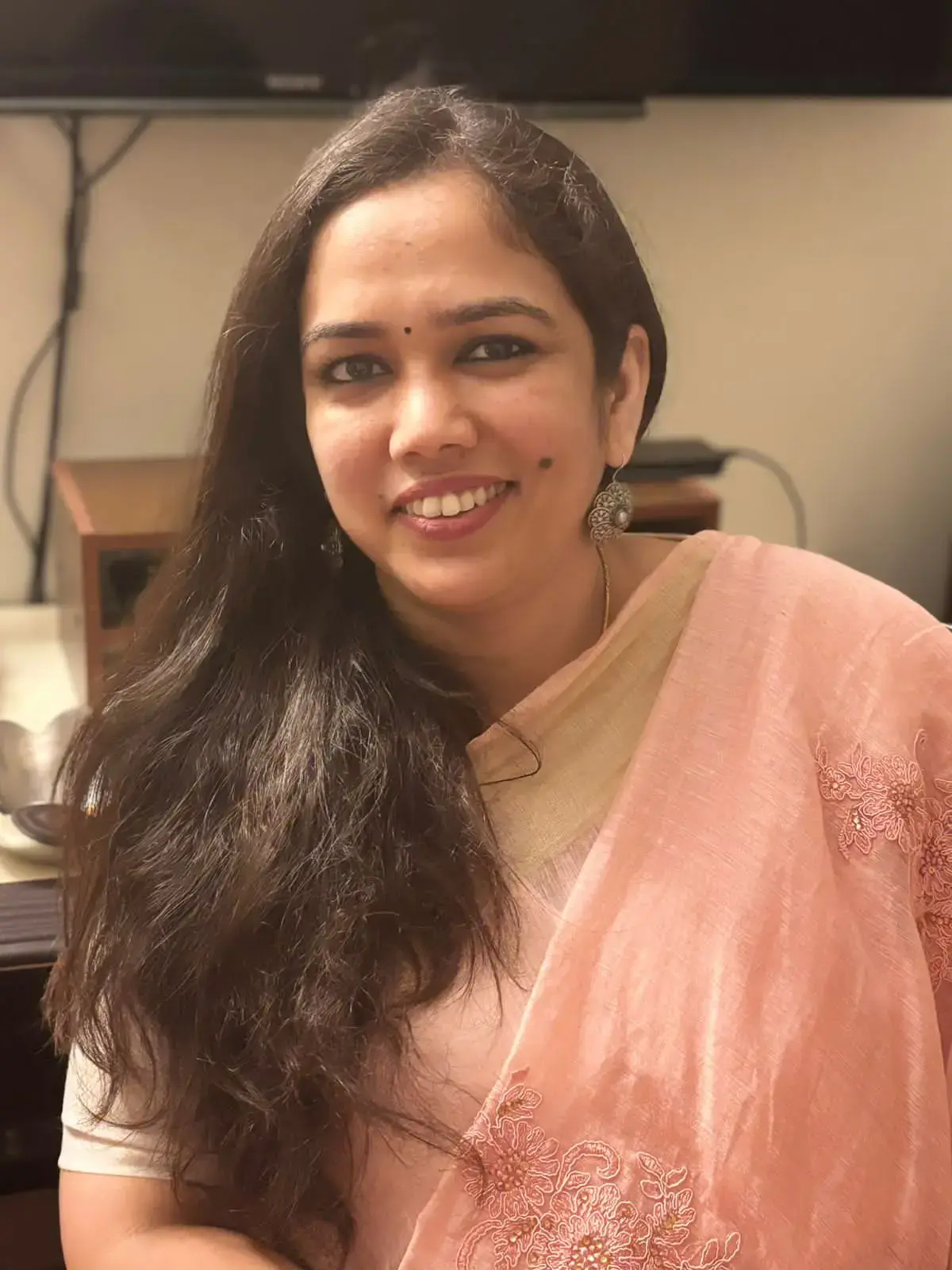
I believe teaching is also a continuous process of learning. It is a lifelong journey in which new ideas, techniques, paradigms, and strategies are constantly explored not only by students but also by teachers. As disciplines evolve over time, teaching philosophies must also adapt to accommodate new approaches, methodologies, and ways of understanding knowledge.
My teaching philosophy centres on creating an environment that encourages students to think beyond prescribed reading material. Subjects such as history and archaeology require not only a strong understanding of texts and theoretical frameworks, but also the ability to apply these ideas in the field. I believe that real-life examples and field experiences help students engage more deeply with theoretical concepts and understand their practical relevance. Since many theoretical models emerge from lived and field-based experiences, my teaching approach seeks to connect classroom learning with real-world contexts through interactive discussions, participation, and small research-based projects. I also encourage students to understand the meaning and process of research itself, while motivating them to undertake small-scale independent research projects. Through this approach, I aim to cultivate curiosity, critical thinking, and a deeper engagement with the discipline.

Dr. Esha Prasad is an assistant professor at Symbiosis School for Liberal Arts, Symbiosis International (Deemed University). She holds a doctorate in archaeology from Deccan College Post Graduate and Research Institute, Pune. She is the receiver of the Homi Bhabha Fellow (2022-24) and Ashoka Fellow (2024-26). Dr. Prasad works in the field of archaeology, and her focus areas are field archaeology, protohistory, chalcolithic studies, ceramic studies, and cross-cultural comparison. Her current work, entitled Archaeological Assessment and Research in Khteri, is a long-term multidisciplinary project aimed at studying different archaeological cultural periods within the Khteri copper belt from 3000 BCE (Chalcolithic period) to 1st century CE (Early Historic period). Under AARKh, she recently excavated the site of Bansiyal in Rajasthan.